|
2a. The National Museum of Ireland, Dublin Prehistoric Archaeology & Early History National Treasures of the Irish Nation 70000 BCE (BC) to 1600 CE (AD) A wealth of wonderful galleries to explore in Kildare Street! See also objects in the British Museum London Some notes on the National Archaeology Museum, Kildare Street, Dublin
How the age of
prehistoric/historic objects are estimated using radiocarbon dating [Author
and photographer
Email: chem55555@hotmail.com
*
Some of the many National Treasures of the Irish Nation in the National Museum, Dublin Scenes from DUBLIN CITY and surrounding area * Dublin Scenes and Notes Index
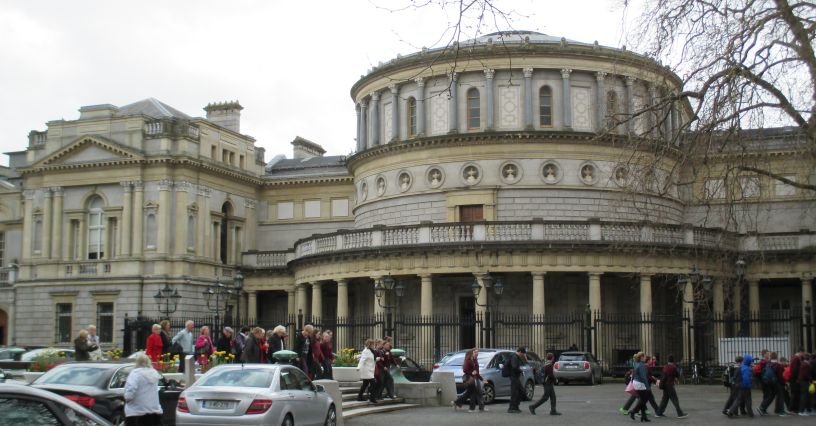
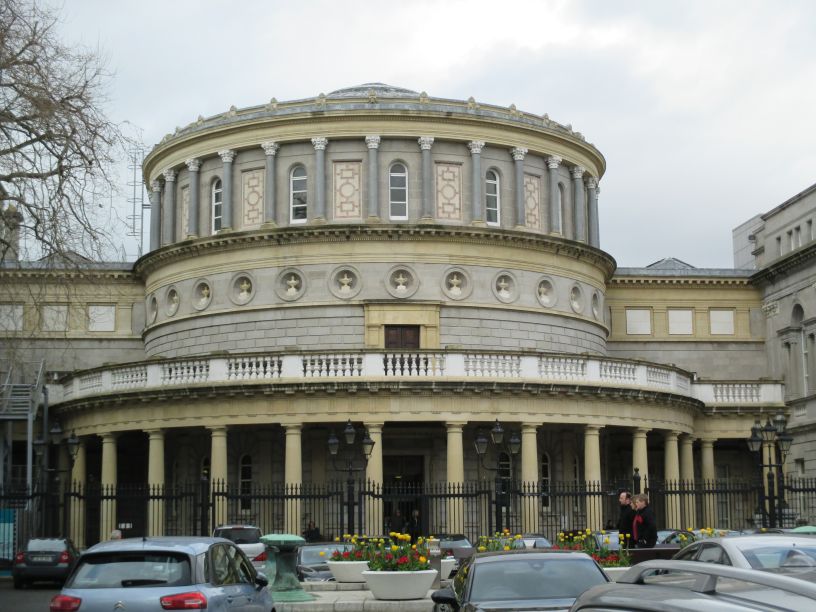
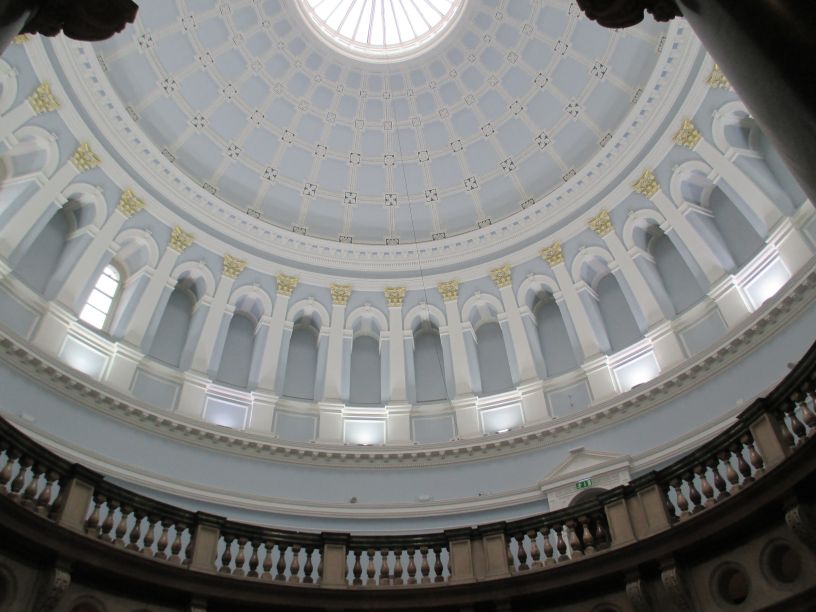
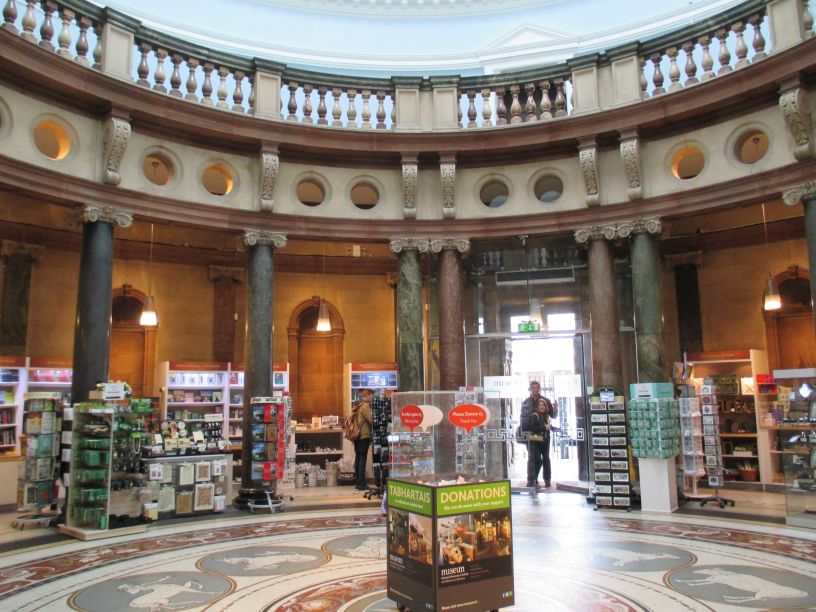
This museum, in Kildare Street, IS A MUST TO VISIT. The bronze age gold objects are worth a visit in themselves! The National Museum of Ireland in Kildare Street was officially opened in 1890 and was designed by the architects Thomas Newenham Deane and Thomas Many Deane. It has been described as 'an accomplished exercise in Victorian Palladianism' and the domed rotunda the highlight, through which you enter the museum. The classical columns are made of Irish marble. The interior is richly decorated with motifs visible in the civilisations of Greece and Rome.
There are many wonderful displays-exhibitions on prehistoric Ireland of archaeological artefacts from the Stone, Bronze and Iron ages. The gold objects from 2000-500BC are quite stunning and other displays show the development of Irish Art from the arrival of Celtic peoples to the beginning of the Medieval period about 1200AD. Christian artwork is exemplified by the Ardagh Chalice, the Tara Brooch and the Clonmacnoise Crozier. The Viking finds, the Iron Age 'bodies from the bog' and an Egyptian display of ancient objects from 5000BC to the Roman period in Egypt about 395AD further enhance a wonderful museum.
Some of the internal architecture details
National Museum of Ireland - Archaeology: The entrance foyer
National Museum of Ireland - Archaeology: The dome above the entrance foyer
National Museum of Ireland - Archaeology: The foyer entrance
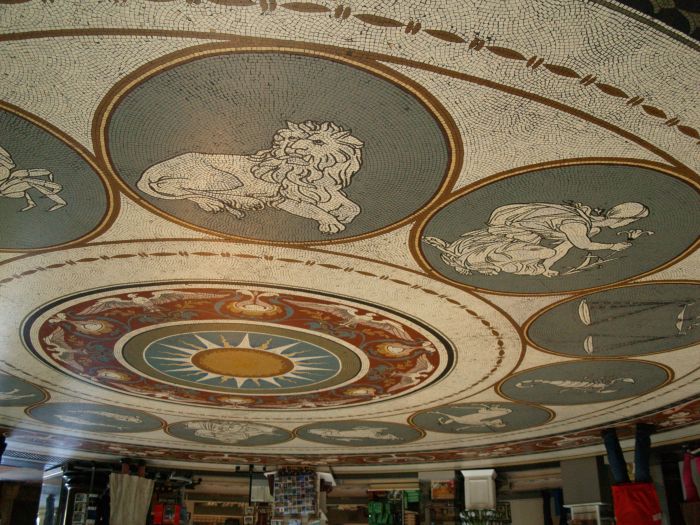
National Museum of Ireland - Archaeology: The wonderful mosaic of animals on the floor of the entrance foyer.
National Museum of Ireland - National Museum of Archaeology, Dublin
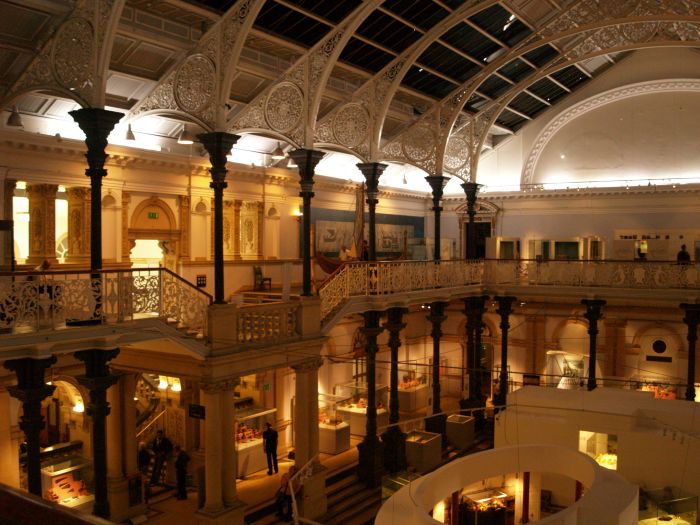
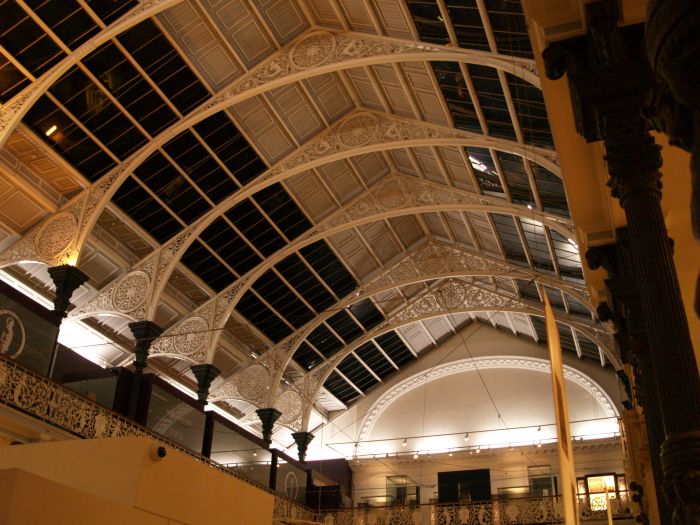
National Museum of Ireland - Archaeology: The great hall with its fine ironwork supported roof.
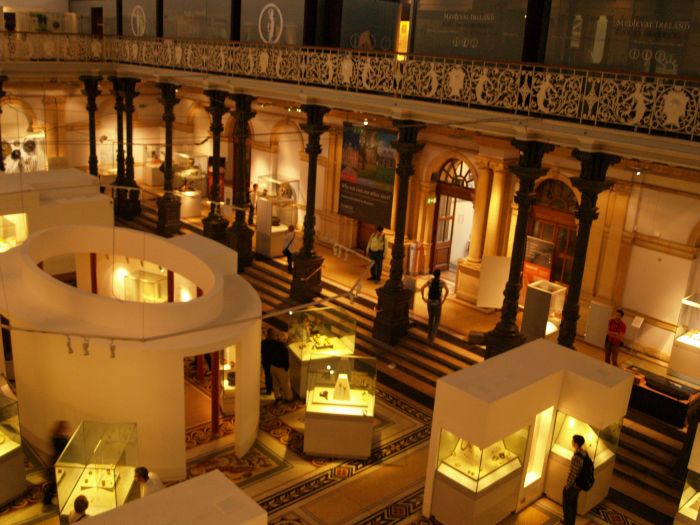
National Museum of Ireland - Archaeology: Looking down on the prehistoric exhibits
National Museum of Ireland - National Museum of Archaeology, Dublin
National Museum of Ireland - Archaeology: The splendid decorative ironwork of the roof supports
National Museum of Ireland - National Museum of Archaeology, Dublin
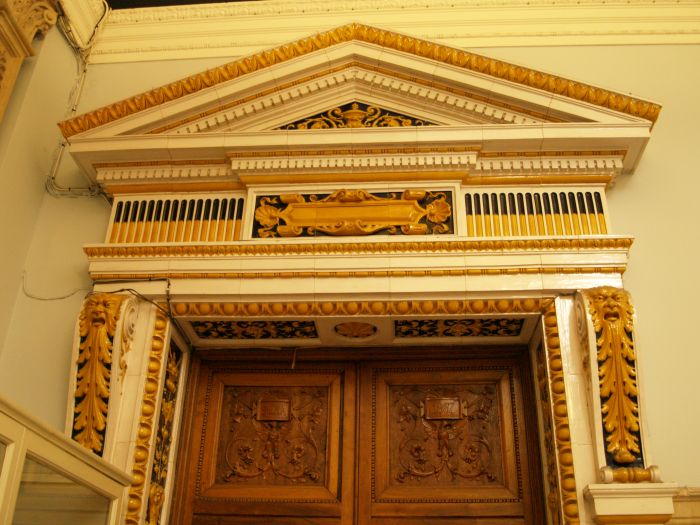
National Museum of Ireland - Archaeology: The whole building is splendidly decorated particularly the doorways
National Museum of Ireland - Archaeology: One of the many mosaics on the floors of the building.
Some examples of the wonderful displays of prehistoric and historic objects (artefacts) A quick selection from the varied galleries prehistoric and early historic artefacts I've tried to assemble the pictures, 'roughly' in order of decreasing age plus some bits and bobs' from ancient Rome, Cyprus and Egypt at the end The exhibition of objects and artefacts in the National Museum illustrates the prehistoric development of Ireland from the Mesolithic period, Neolithic and bronze age cultures through to the iron age and Celtic tribes and on to the history of the early Christian church, Viking invasions and the coming of the Normans.
The famous 'shell' macehead from a passage tomb at Knowth, Co. Meath, 3300-2800 BCE, National Museum of Archaeology, Dublin
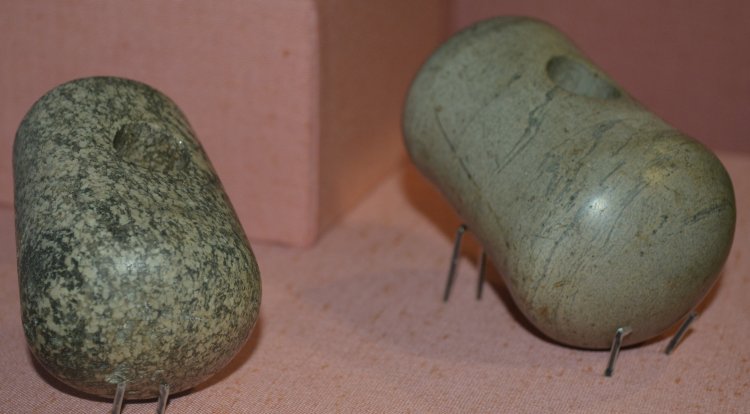
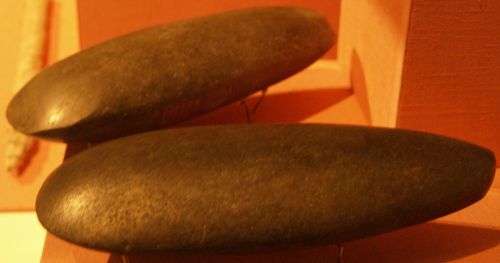
Two other polished stone maceheads, National Museum of Archaeology, Dublin
National Archaeology Museum, Dublin, Ireland: Six ground stone axes from 7000-6000 BC, early Neolithic period in Ireland.
National Museum of Ireland - Archaeology: Neolithic stone axes, so smooth and perfect - perhaps for ceremonial purposes only?
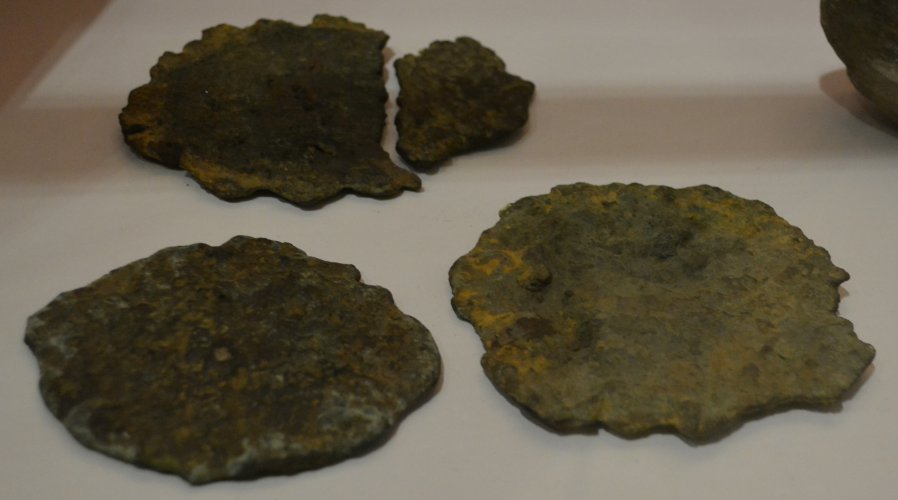
Fragments of copper cake, bronze age 2500-1700 BCE, National Museum of Archaeology, Dublin
National Archaeology Museum, Dublin, Ireland: Mesolithic fish traps dating from ~5300 - 4730 BC (and a model boat from ~5300 - 5050 BC), National Museum of Archaeology, Dublin
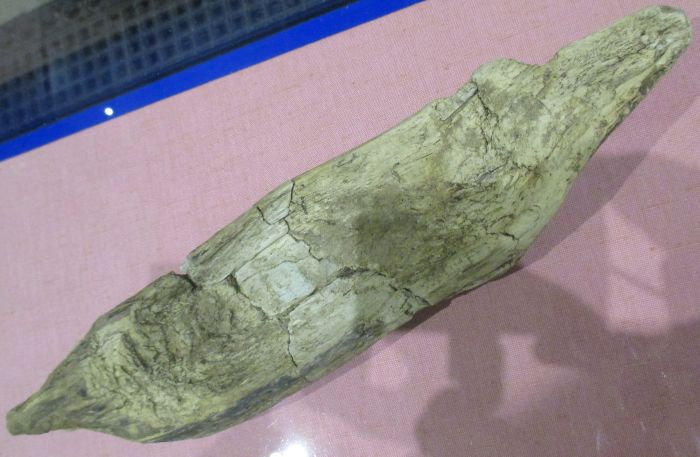
Was this a mesolithic toy boat?, National Museum of Archaeology, Dublin
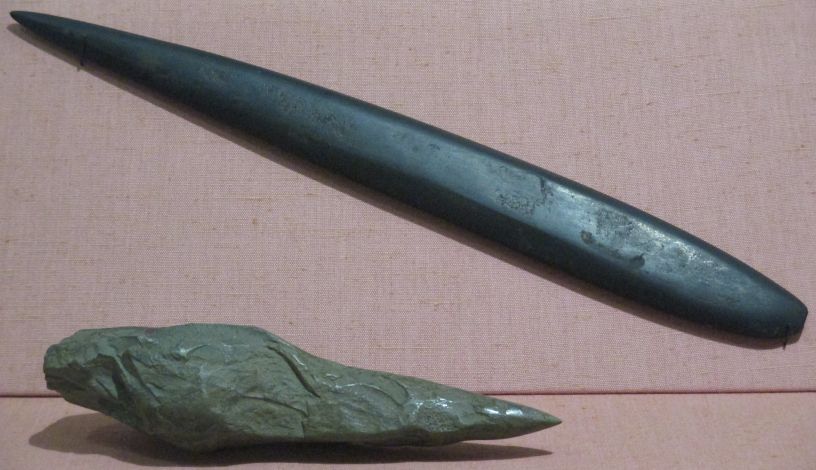
National Archaeology Museum, Dublin, Ireland: A stone spear head and stone pick, Neolithic period 4300-3900 BC
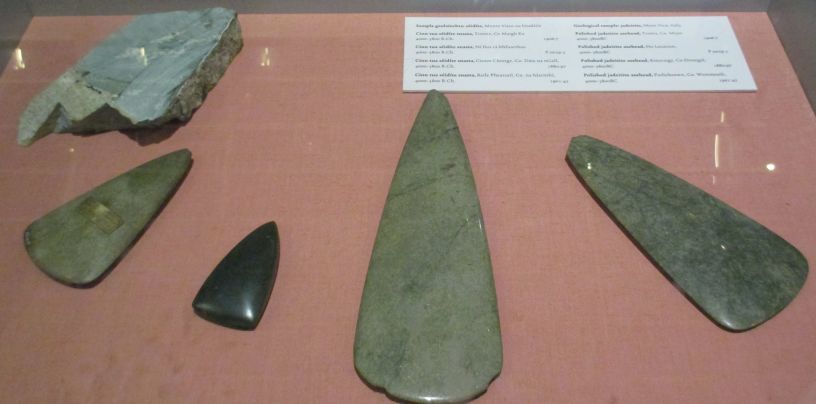
National Archaeology Museum, Dublin, Ireland: Examples of jadeitite from Mont Vico, Italy. Four polished jadeitite axe heads from various locations in Ireland ~4000-3800 BCE, National Museum of Archaeology, Dublin
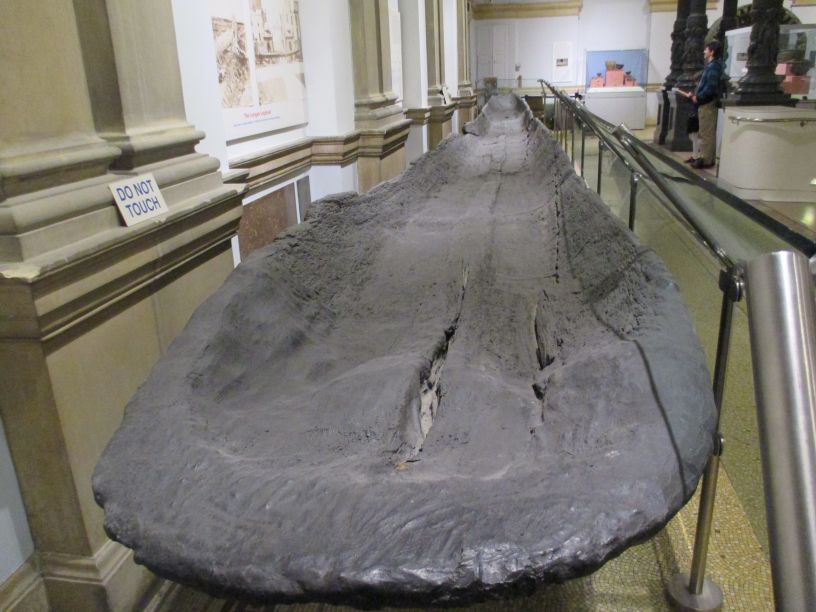
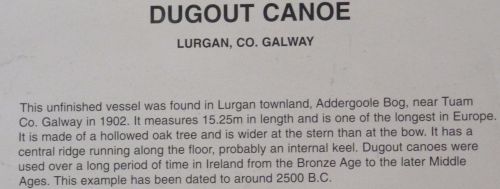
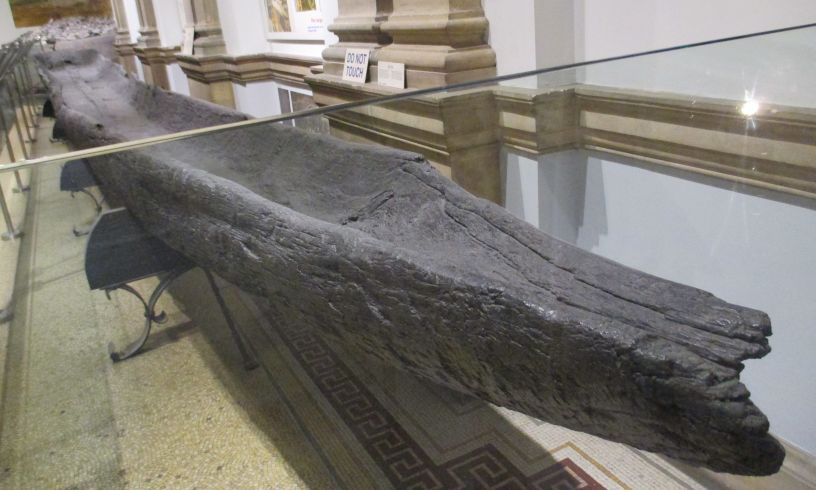
National Archaeology Museum, Dublin, Ireland: A large unfinished oak dugout canoe from ~2500 BC, National Museum of Archaeology, Dublin
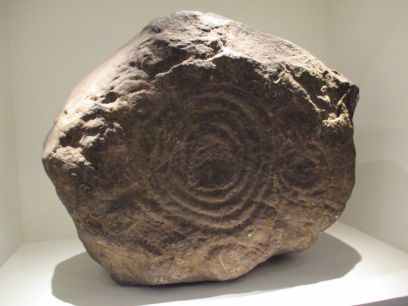
National Archaeology Museum, Dublin, Ireland: Spirals on decorated stones (2500 - 1700 BCE, Neolithic or early bronze age)
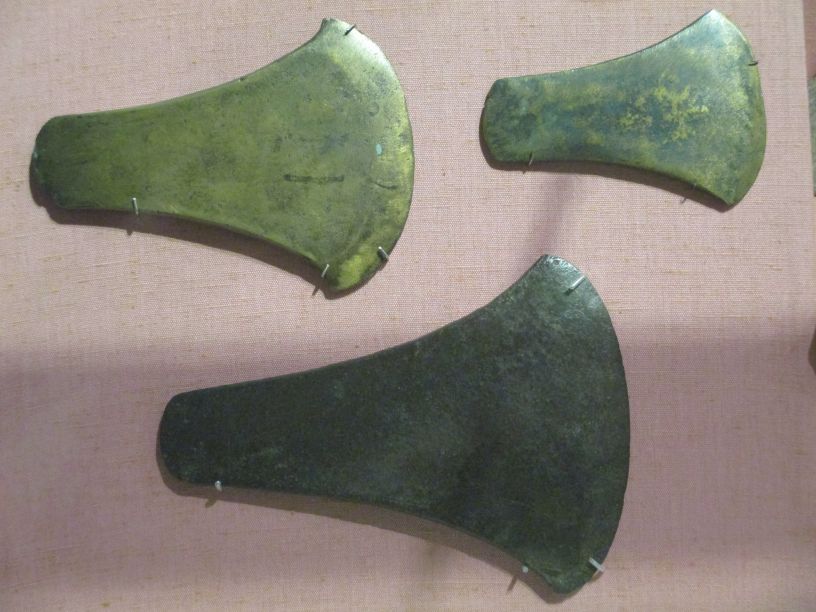
National Archaeology Museum, Dublin, Ireland: Three bronze age axeheads from ~2200-1900 BCE
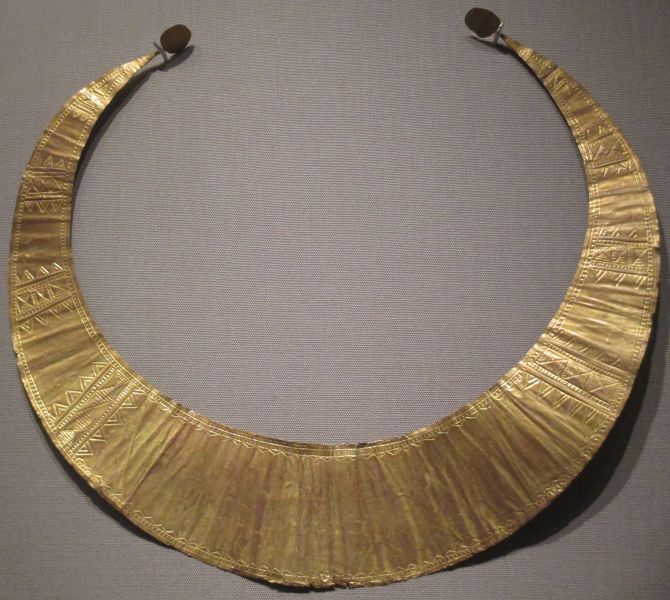
National Archaeology Museum, Dublin, Ireland: Gold lunula ~2000 BCE, National Museum of Archaeology, Dublin
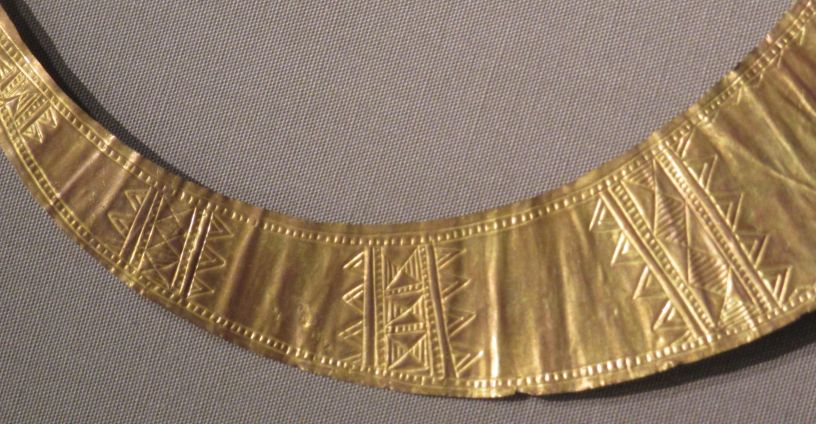
Gold lunula geometrical engravings in detail, National Museum of Archaeology, Dublin
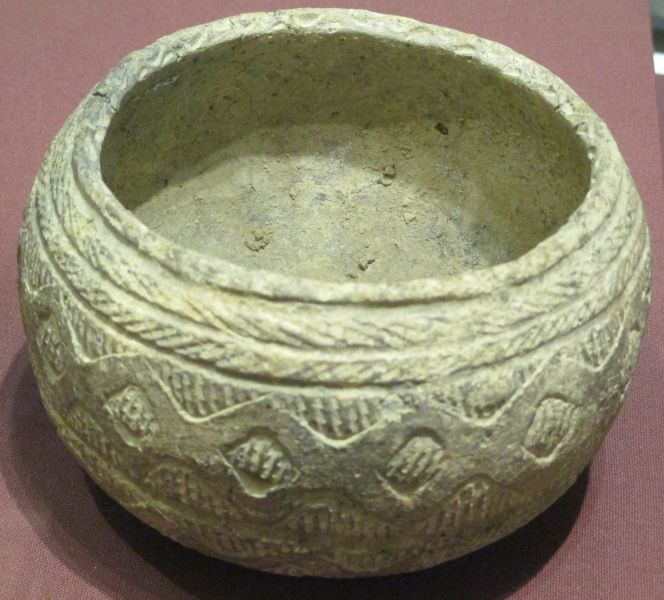
National Archaeology Museum, Dublin, Ireland: A simple decorated early bronze age bowl and Whitby jet button from a grave dated 2200-1800 BCE
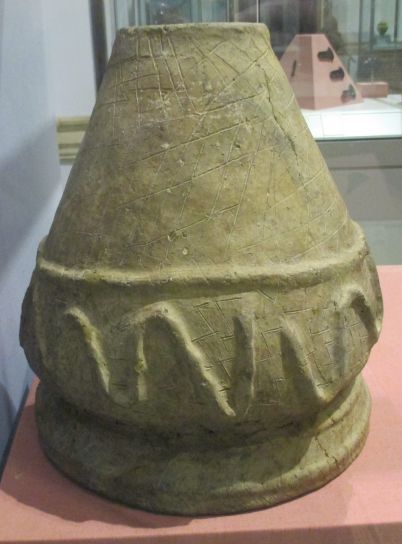
National Archaeology Museum, Dublin, Ireland: Encrusted Bronze Age urn from a cist burial 1900-1700 BCE, National Museum of Archaeology, Dublin
National Archaeology Museum, Dublin, Ireland: An encrusted urn and a vase urn from pit burials.
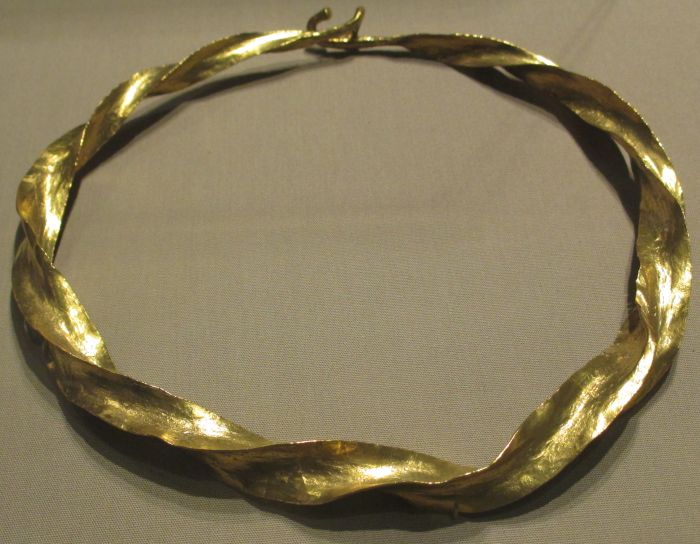
National Archaeology Museum, Dublin, Ireland: A Bronze Age gold torc, carefully twisted from a thin gold bar (1200 - 1000 BCE), National Museum of Archaeology, Dublin
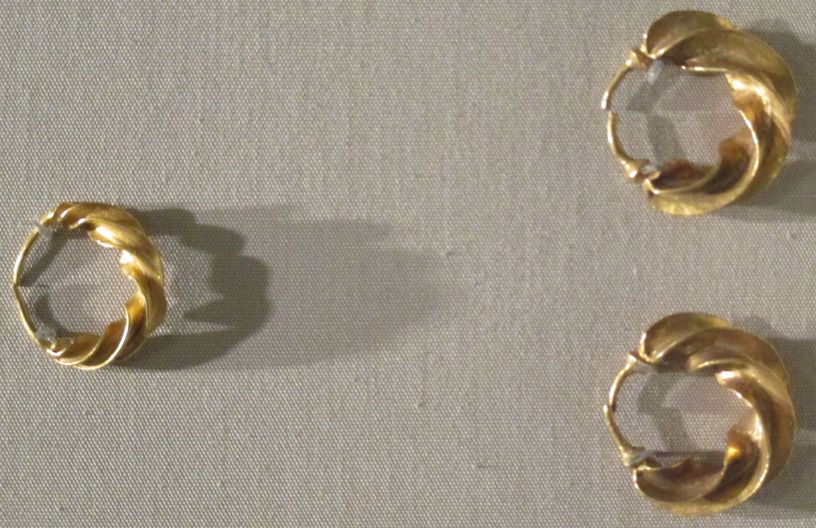
National Archaeology Museum, Dublin, Ireland: Bronze Age gold ear rings 1200-1000 BCE
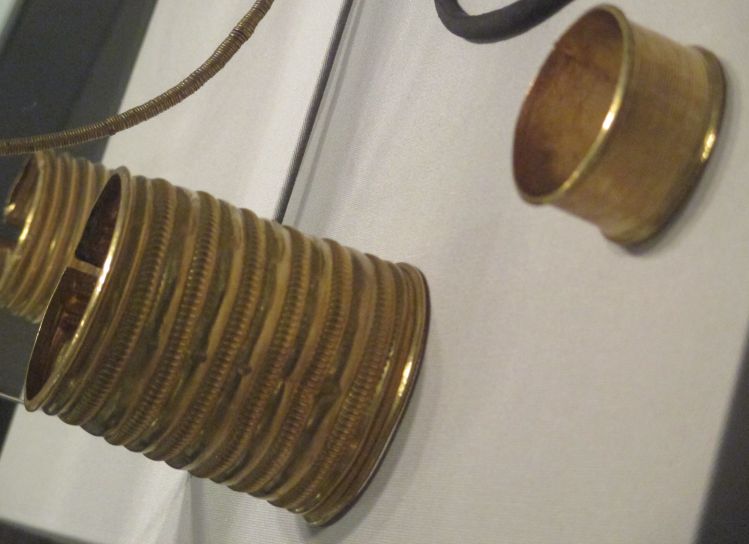
National Archaeology Museum, Dublin, Ireland: Bronze Age gold armlets from a hoard dated 1200-1000 BCE
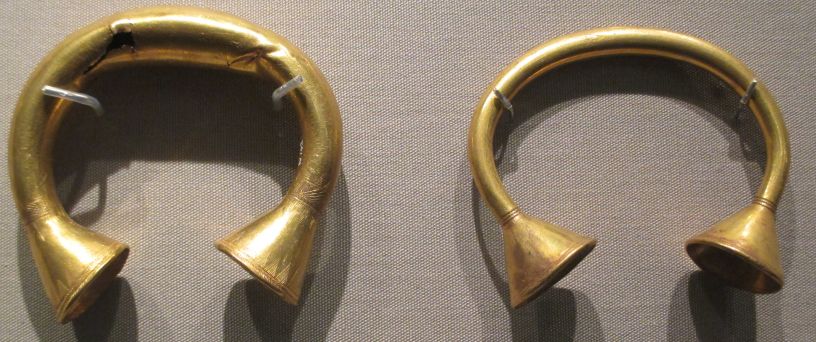
National Archaeology Museum, Dublin, Ireland: Bronze Age gold bracelets 800-700 BCE
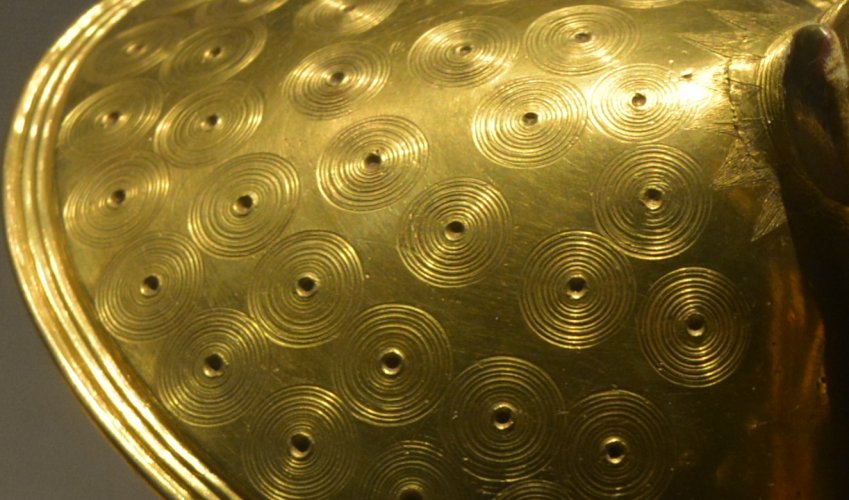
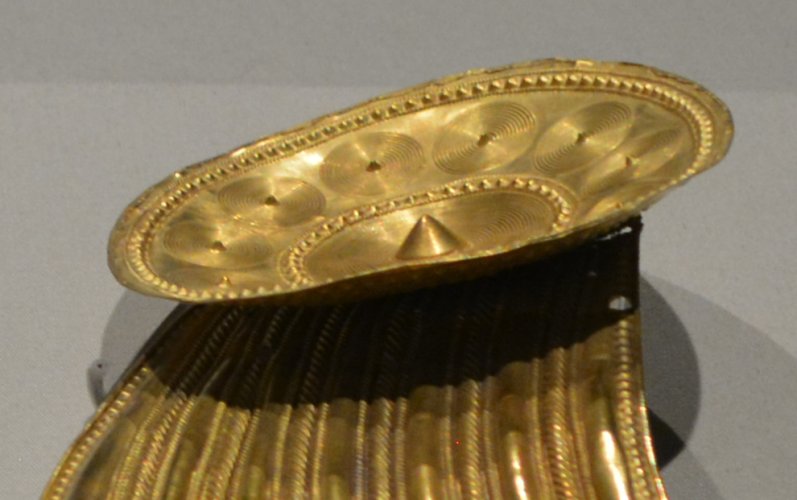
National Archaeology Museum, Dublin, Ireland: Bronze age gold dress fasteners from 800-700 BCE
Details of some of the decoration on the gold dress fasteners ~800-700 BCE, National Museum of Archaeology, Dublin
National Archaeology Museum, Dublin, Ireland: A Bronze-Iron |Age gold dress fastener and an amber bead necklace (800 - 700 BCE)
National Archaeology Museum, Dublin, Ireland: Gold dress fasteners (800 - 700 BC)
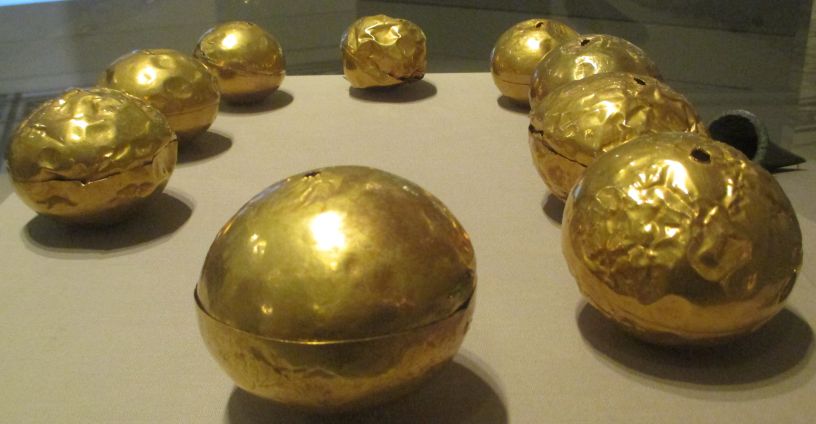
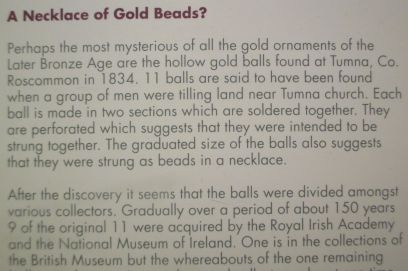
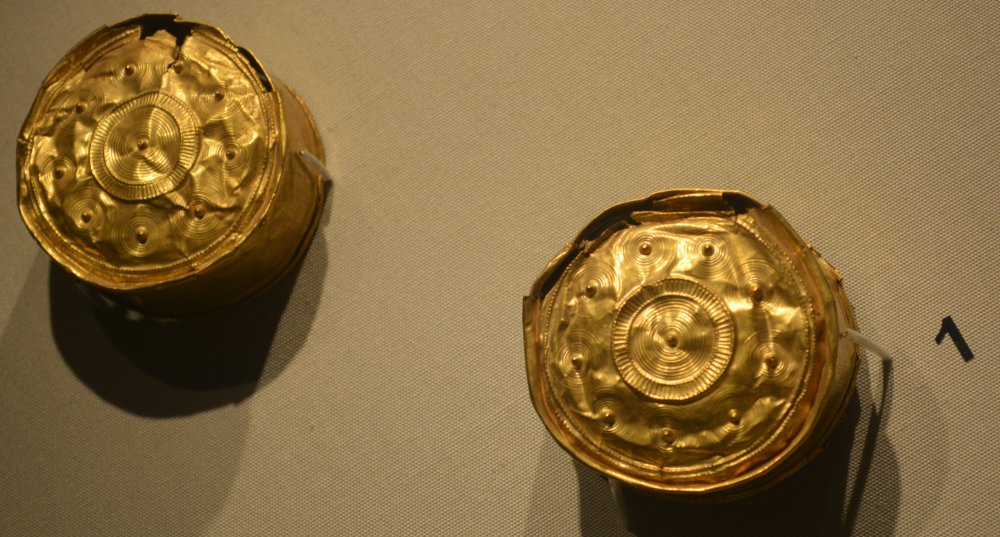
National Archaeology Museum, Dublin, Ireland: Gold ball ornaments from the later bronze age, they have holes in them and each is made from two sections welded together, maybe strung together like giant beads in a necklace
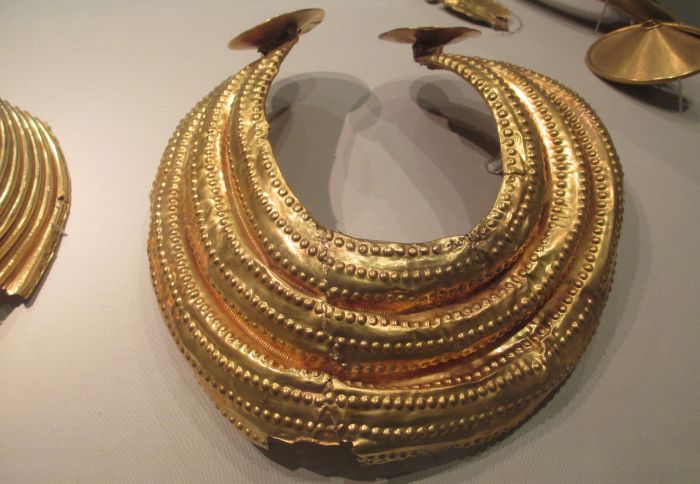
National Museum of Ireland - Archaeology: Bronze Age gold collars 800-700 BCE from Co. Tipperary
Decoration at the ends of the gold collars, National Museum of Archaeology, Dublin
National Museum of Ireland - Archaeology: More gold collars ~800-700 BC
National Archaeology Museum, Dublin, Ireland: Gold collar (800-700BC)
National Archaeology Museum, Dublin, Ireland: Irish gold collar (800-700BC)
National Archaeology Museum, Dublin, Ireland: Gold balls, beads of a necklace?, from the late bronze age, date?
Gold ear spools ~800-700 BCE, National Museum of Archaeology, Dublin
National Museum of Ireland - Archaeology: Finely decorated thin gold crescent shaped ornaments from the Bronze Age
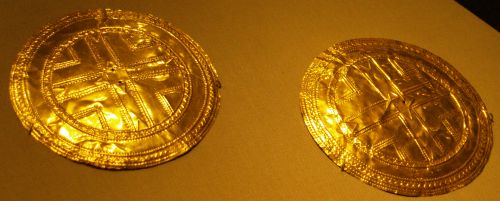
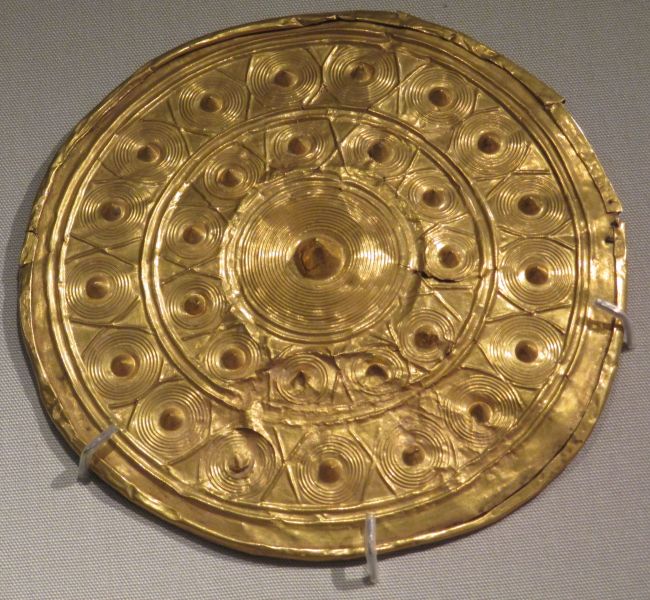
National Museum of Ireland - Archaeology: Decorated gold discs
National Museum of Ireland - Archaeology: Gold ornament
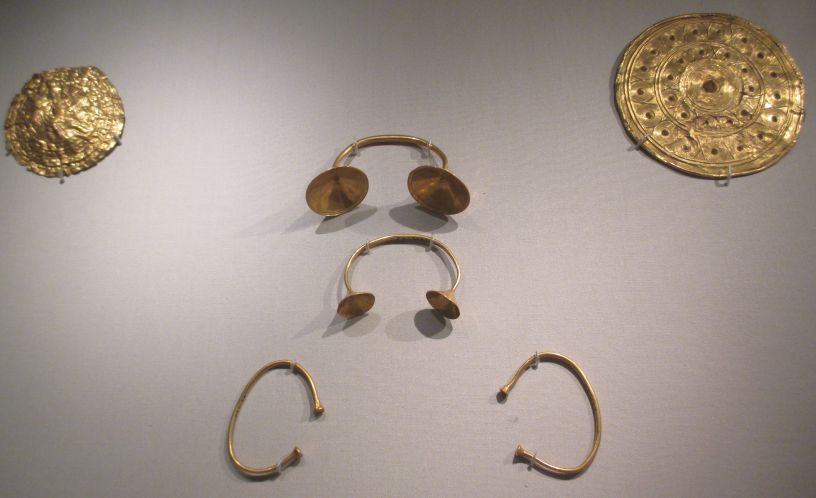
National Museum of Ireland - Archaeology: Objects from a late bronze age hoard, including bracelets, dress fasteners and a gold disc (details above) with almost prefect concentric circles within larger circles of the disc (800-700 BC).
National Archaeology Museum, Dublin, Ireland: Later bronze age metal working and musical instruments (1200 - 500 BC), bronze swords, spears (spear heads), axes (axe heads) and shields and quite sophisticated casting techniques to produce bronze horns., National Museum of Archaeology, Dublin
National Museum of Ireland - Archaeology: Later bronze age shield detail
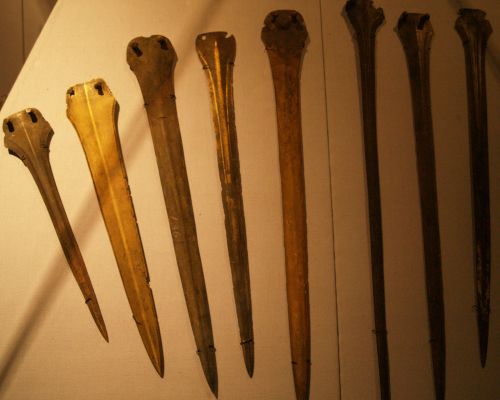
National Museum of Ireland - Archaeology: Bronze age sword details
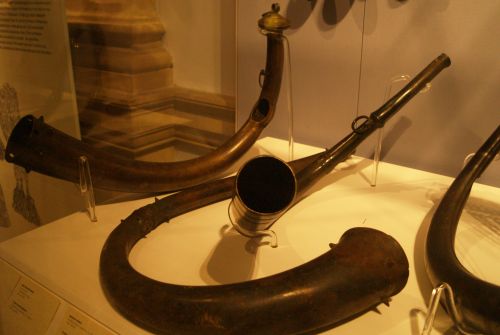
National Museum of Ireland - Archaeology: Bronze Age-Iron Age horns
National Museum of Ireland - Archaeology: Left - bronze age spear head and sword. Right: Pottery from the Bronze Age
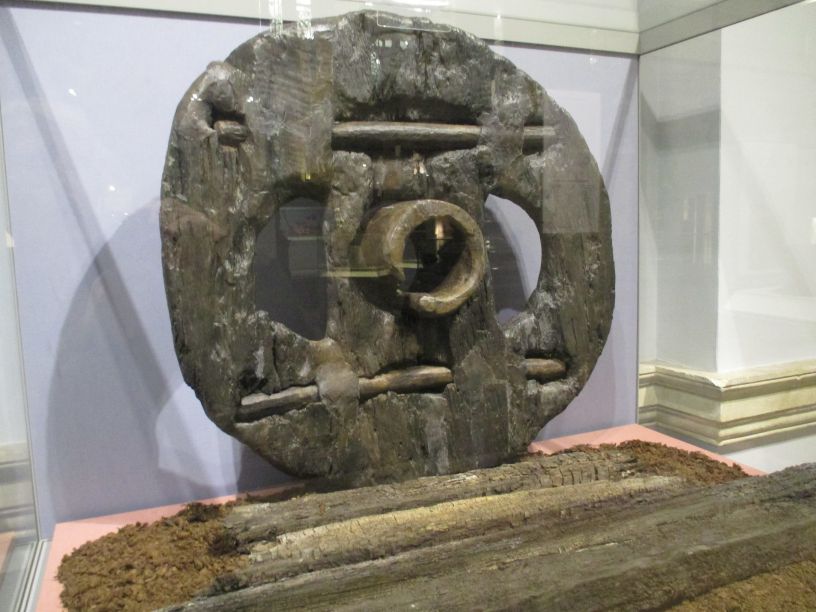
National Archaeology Museum, Dublin, Ireland: Iron Age wooden block-wheel and oak trackway beams ~400 BCE
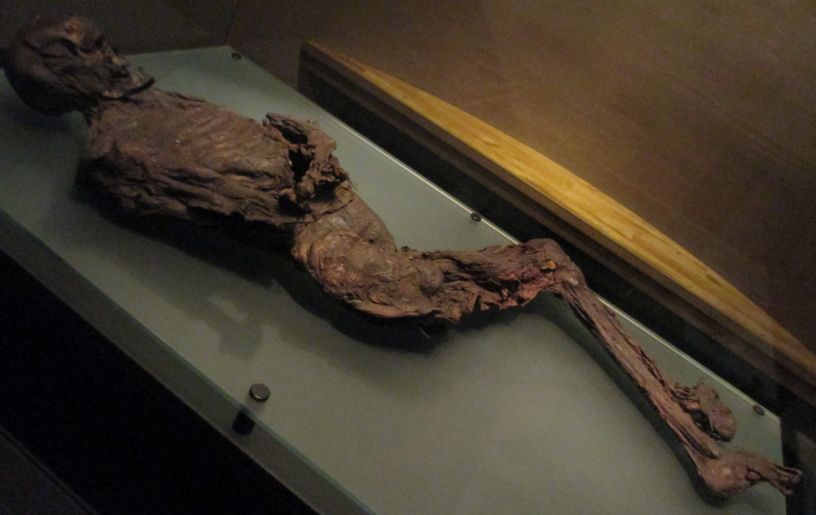
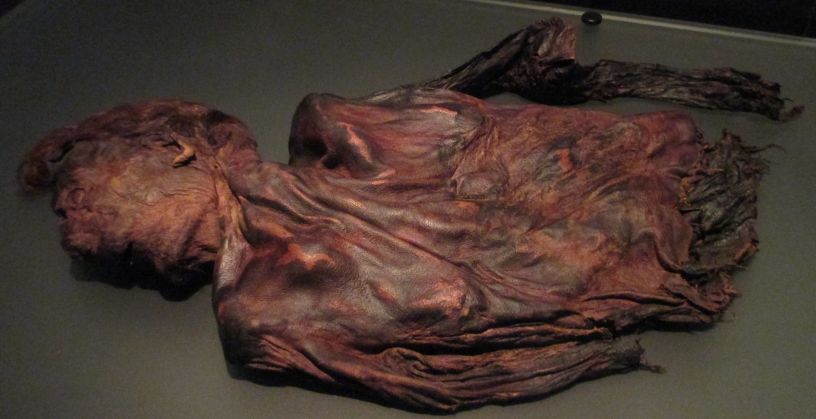
National Archaeology Museum, Dublin, Ireland: Iron Age Gallagh Man is dated to 400 - 200 BCE, National Museum of Archaeology, Dublin
National Archaeology Museum, Dublin, Ireland: Clonycavan Man, an iron age bogman dated to 392-201 BCE (~25 years old)
National Archaeology Museum, Dublin, Ireland: Oldcroghan Man, an iron age bogman dated to 362-175 BCE (~25 years old)
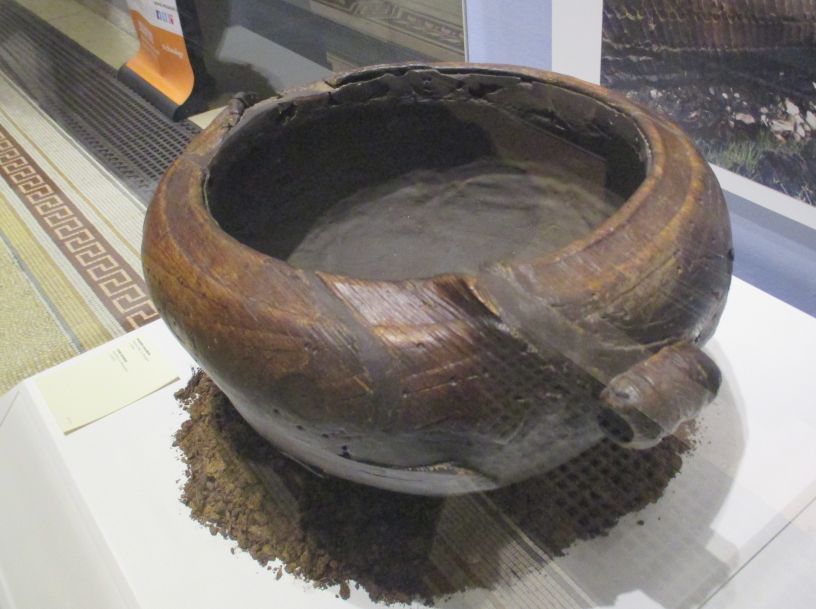
National Archaeology Museum, Dublin, Ireland: The Altartate Cauldron, 2nd century CE (AD), made of poplar wood and yew handles, National Museum of Archaeology, Dublin
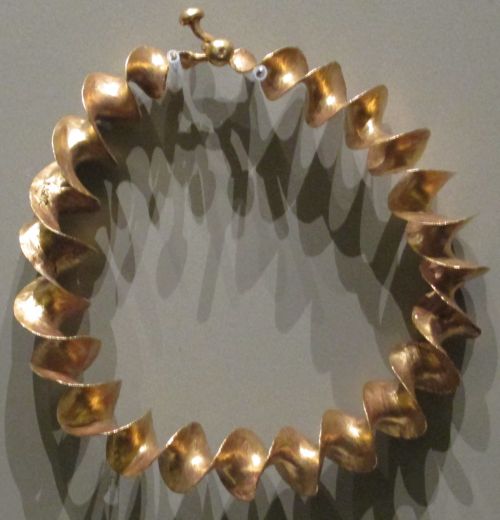
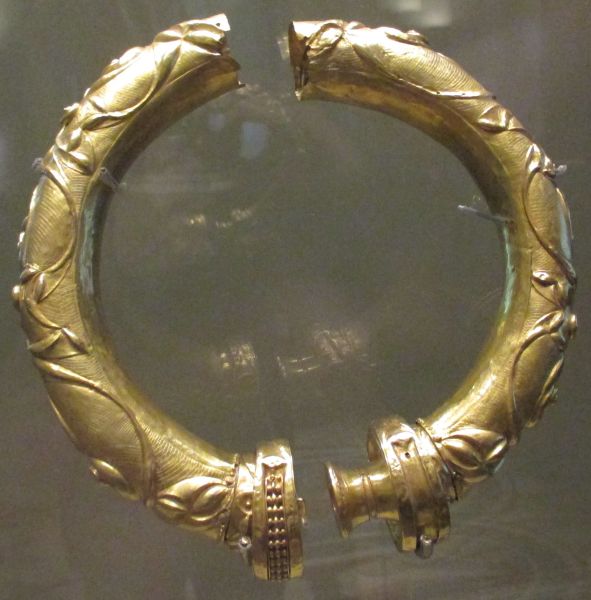
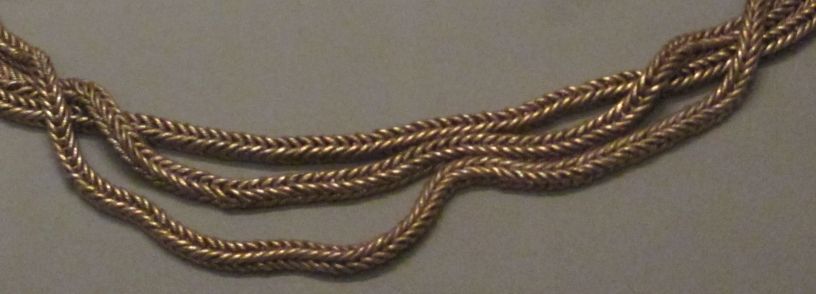
National Archaeology Museum, Dublin, Ireland: Torcs of twisted gold, 3rd century BCE (BC) to 3rd century CE (AD) ?
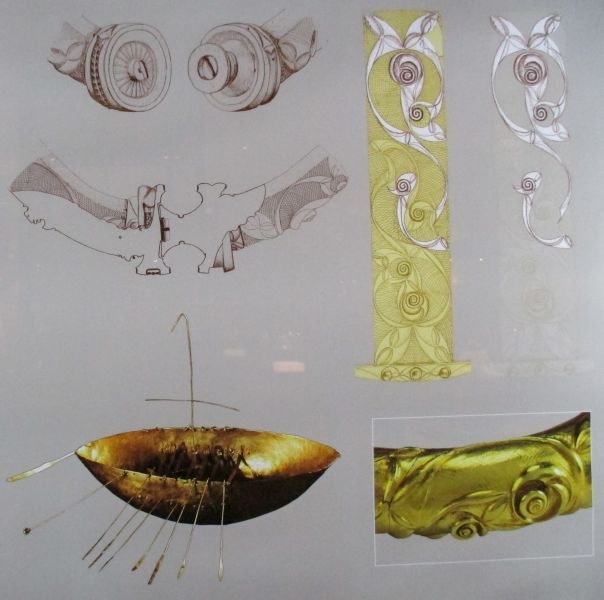
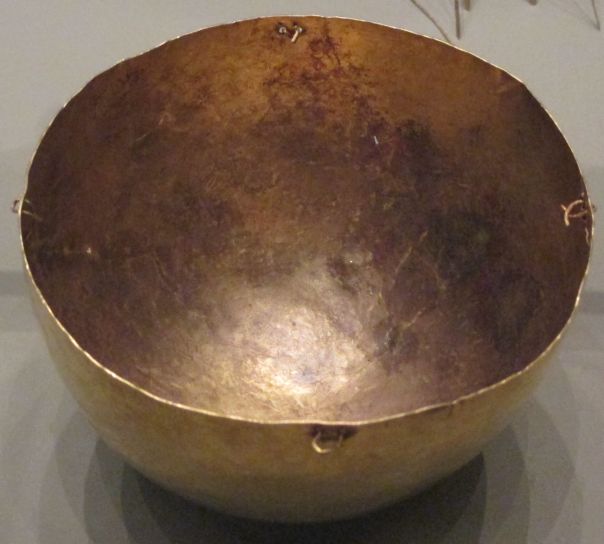
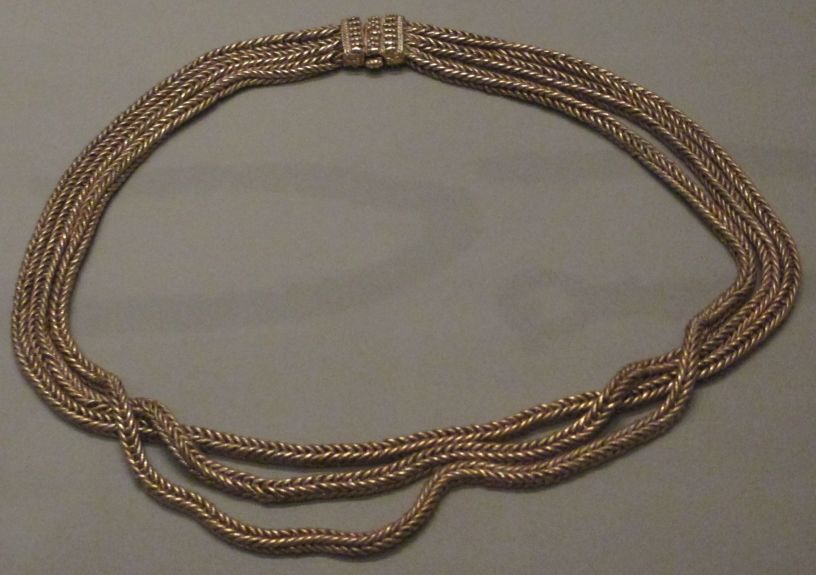
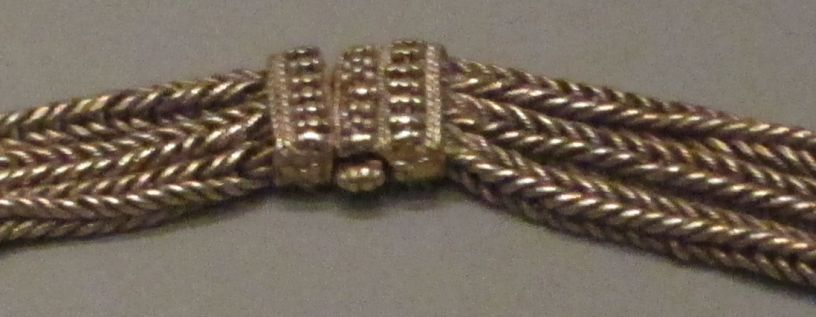
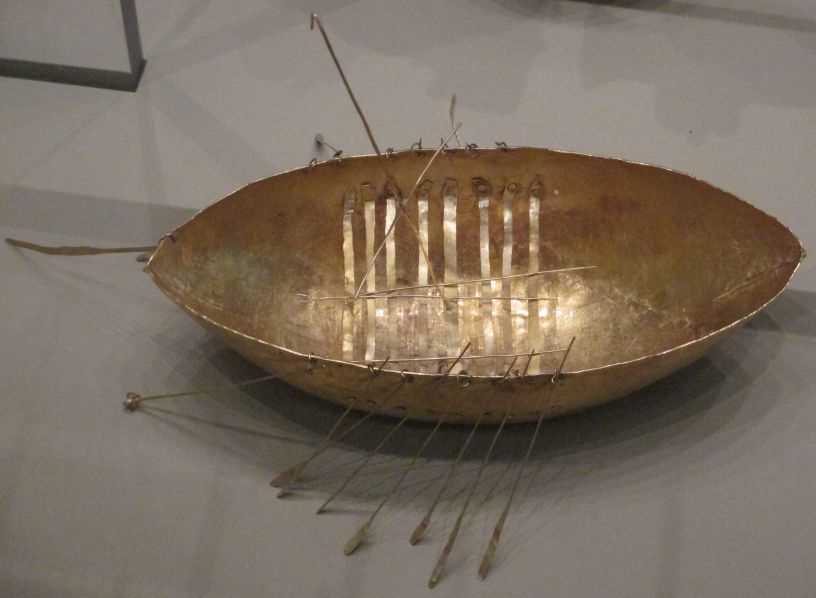
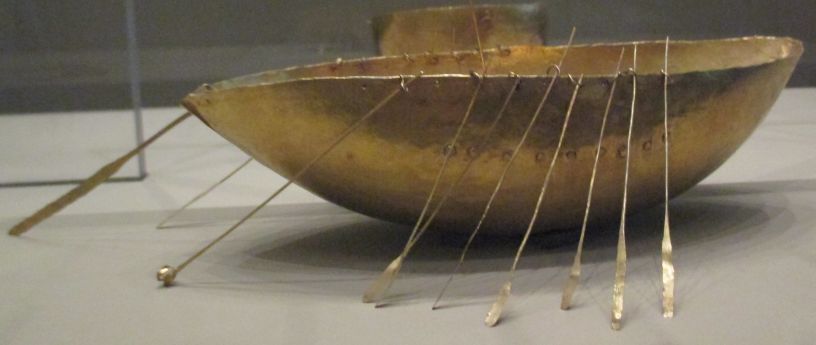
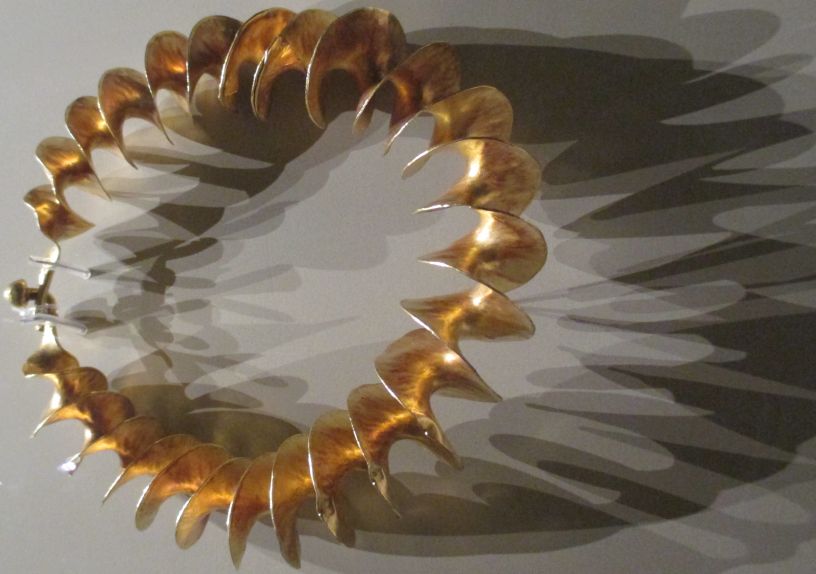
National Museum of Ireland - Archaeology: Illustrations of the 'Broighter Hoard' dating from the 1st century BC found at Broighter, Co. Derry. A magnificent array of objects including a tubular collar, miniature model gold boat, cauldron and a pair of twisted collars (torcs). The boat has a mast, rowing benches, oars and other fittings. The 'planks' the oarsmen would sit on are carefully riveted in place!, National Museum of Archaeology, Dublin
The Broighter Hoard, 1st century BC
The Broighter Hoard, 1st century BC
The Broighter Hoard, 1st century BC
The gold boat in the Broighter Hoard, 1st century BCE, National Museum of Archaeology, Dublin
National Archaeology Museum, Dublin, Ireland: Gold band or bronze necklet? later 1st century AD
National Archaeology Museum, Dublin, Ireland: Twisted gold ribbon torc, 3rd century BC to 3rd century AD
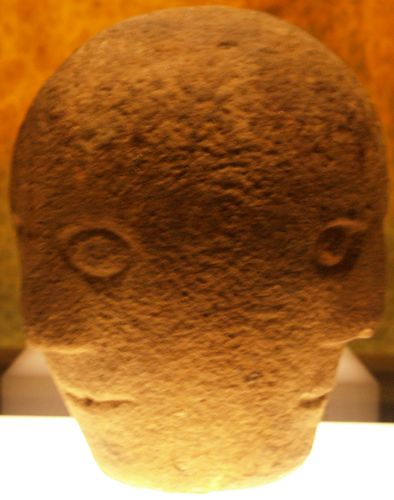
National Museum of Ireland - Archaeology: The three faces of the carved stone head (1st - 2nd century CE AD), National Museum of Archaeology, Dublin
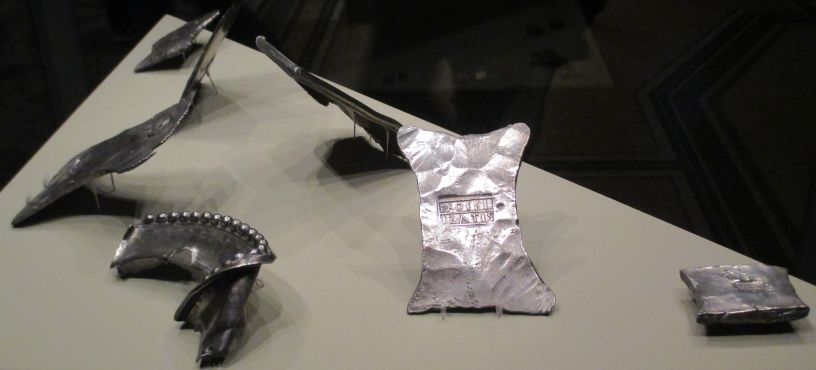
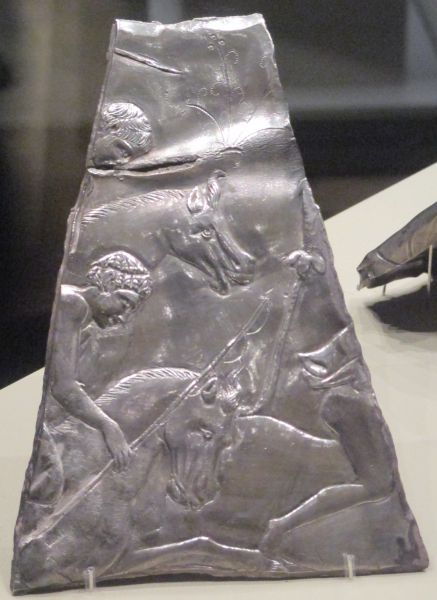
National Archaeology Museum, Dublin, Ireland: Roman silver ingots tableware, late 4th century to early 5th century CE AD from Co. Limerick. Detailed images below
EXOFFI ISATIS (from the workshop of Istatis?, 1st S reversed?)
corner of a tray?
National Museum of Ireland - Archaeology: Viking swords and axes, National Museum of Archaeology, Dublin
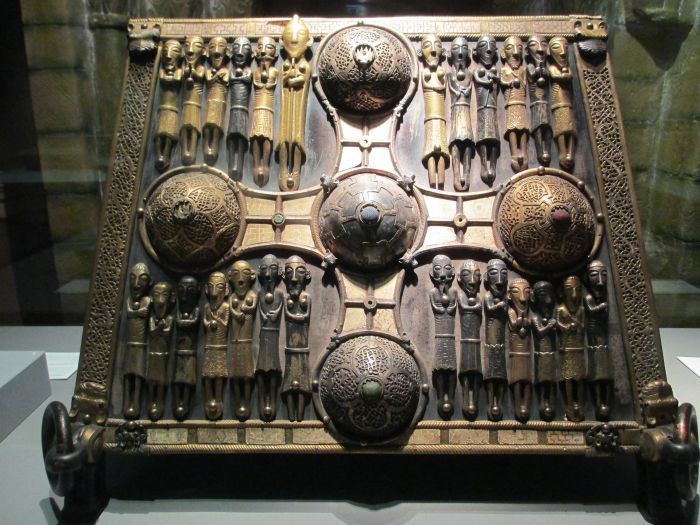
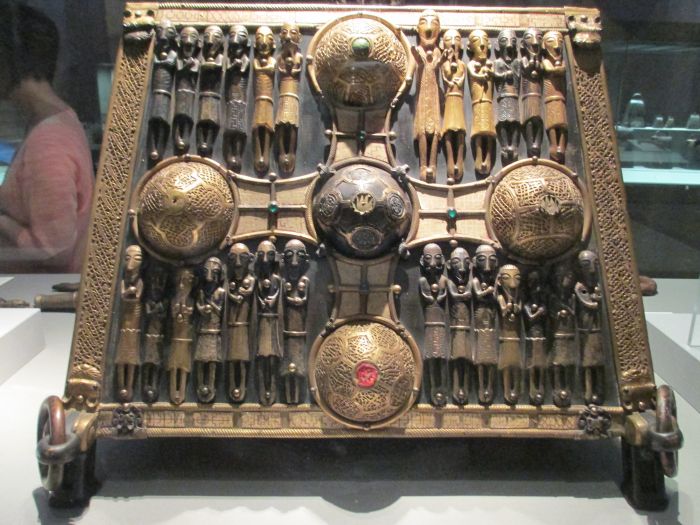
National Museum of Ireland - Archaeology: The Shrine of the Stowe Missal was made to contain an 8th century Mass-book and was regarded as a relic of St Maelruain, the patron saint of Lorrha, Co. Tipperary. It was redecorated in the 1370s by Philip O'Kennedy, King of Ormond and Gioola Ruadhan Ua Maccain, head of the Augustinian priory at Loorha.
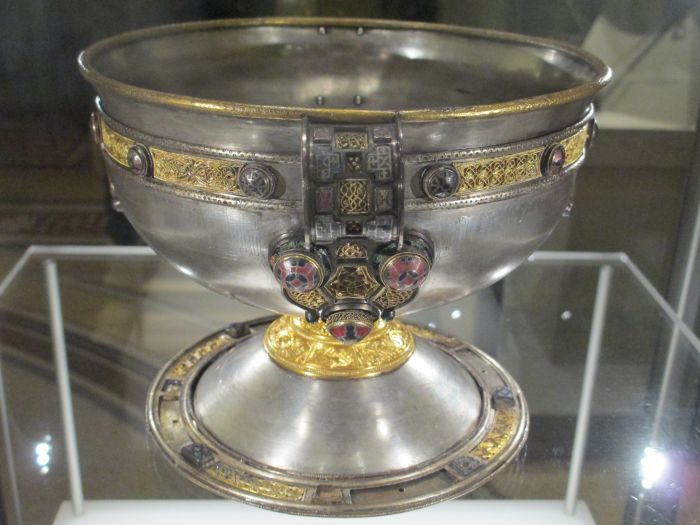
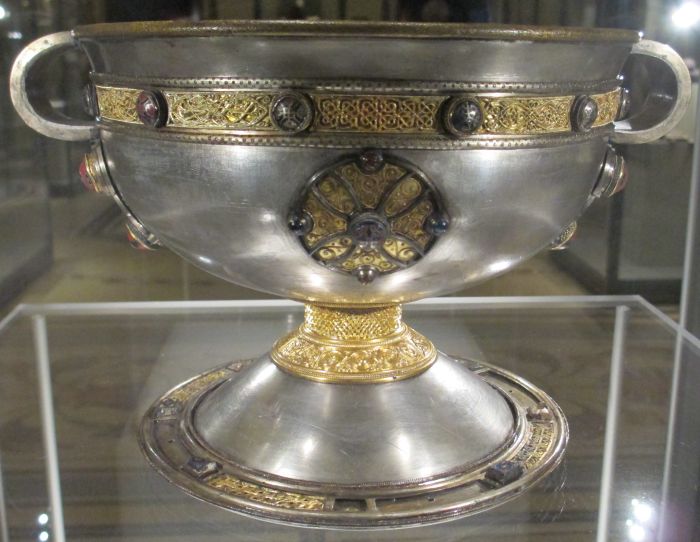
National Archaeology Museum, Dublin, Ireland: Above & below: Silver chalice (8th century AD), National Museum of Archaeology, Dublin
National Archaeology Museum, Dublin, Ireland: Silver chalice, 9th century AD, encrusted with precious stones and intricate details, National Museum of Archaeology, Dublin
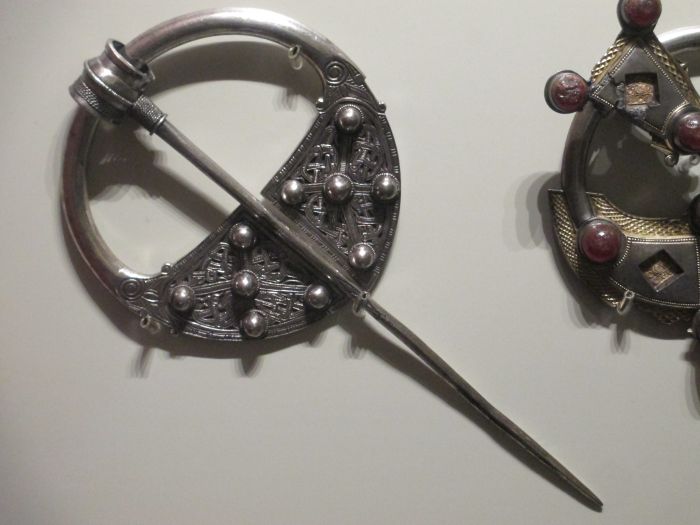
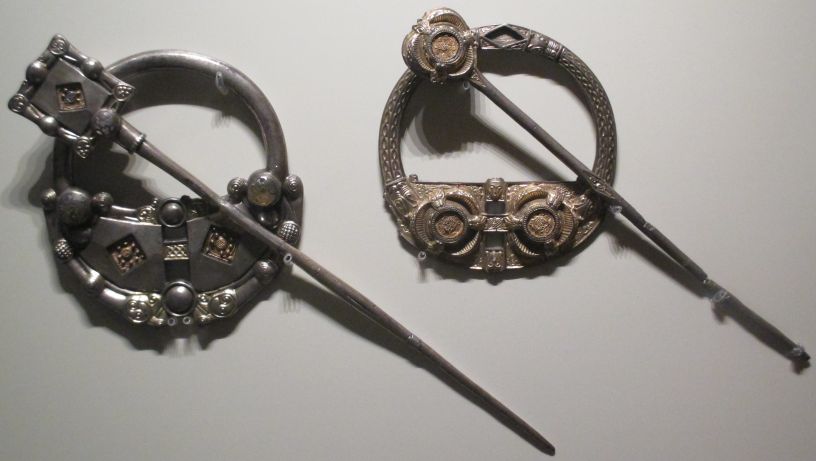
National Archaeology Museum, Dublin, Ireland: Silver bossed penannular brooch and silver annular brooch (late 9th to early 10th century CE AD and 9th century), National Museum of Archaeology, Dublin
National Archaeology Museum, Dublin, Ireland: Left - Silver annular brooch 9th century AD. Right - late 8th early 9th century CE AD, National Museum of Archaeology, Dublin
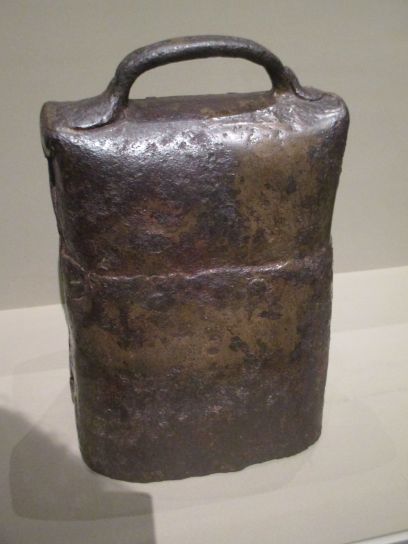
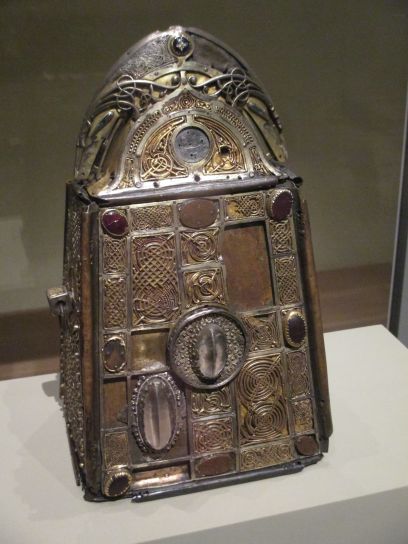
National Archaeology Museum, Dublin, Ireland: St Patrick's Bell and Shrine, from Co. Armagh 6th-8th century CE AD and AD 1100 CE, National Museum of Archaeology, Dublin
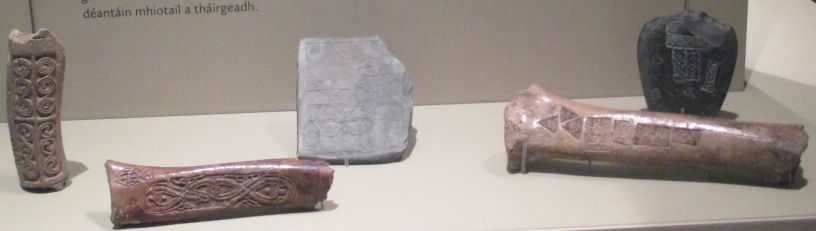
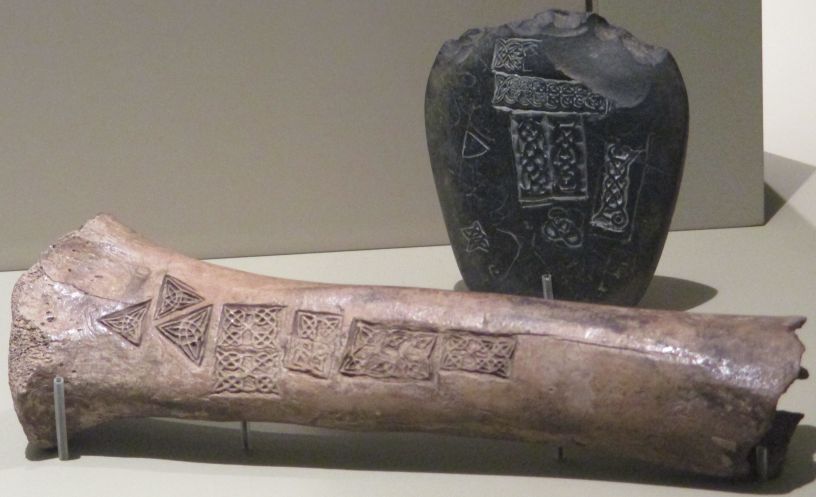
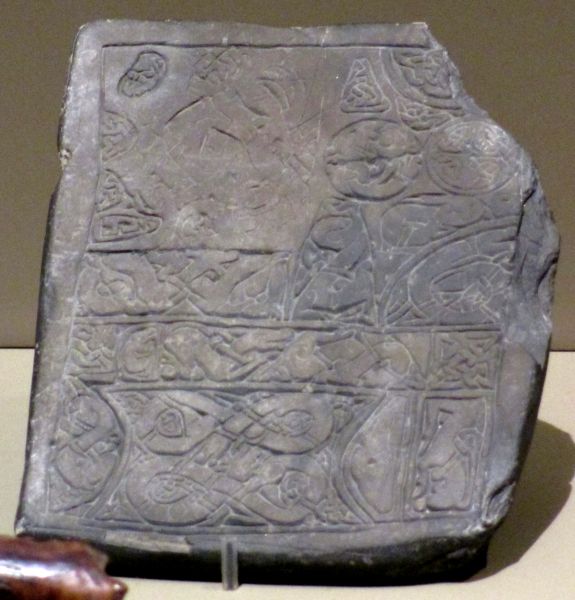
National Archaeology Museum, Dublin, Ireland: Antler, bone and stone motif pieces, 5th - 11th centuries AD (details below)
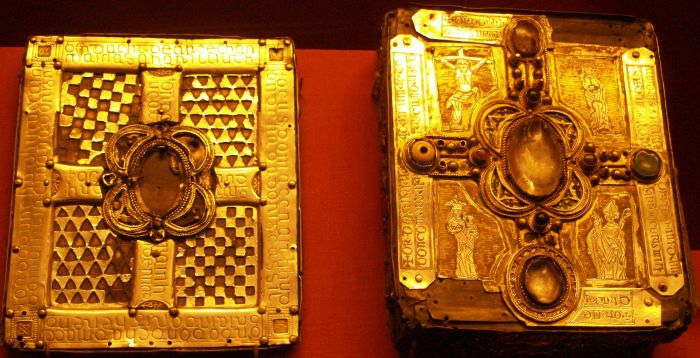
National Archaeology Museum, Dublin, Ireland: Book shrine (early 11th century), National Museum of Archaeology, Dublin
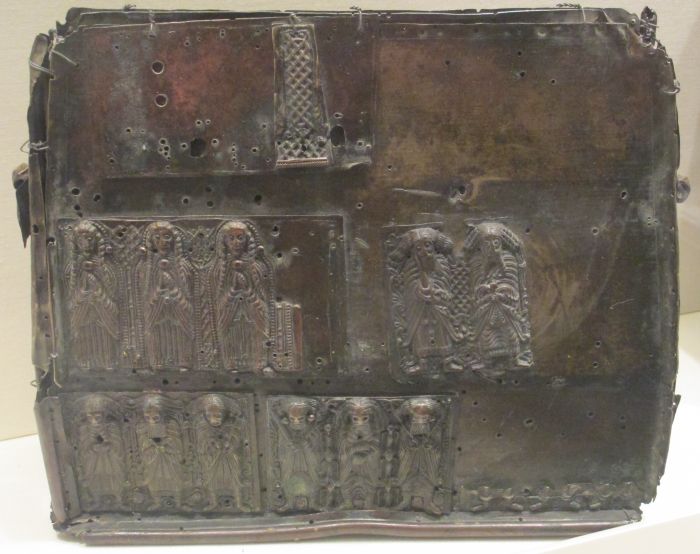
National Archaeology Museum, Dublin, Ireland: Above - shrine of copper alloy, gilt and enamelled (early 11th century). Below - leather satchel to hold it (15th century), National Museum of Archaeology, Dublin
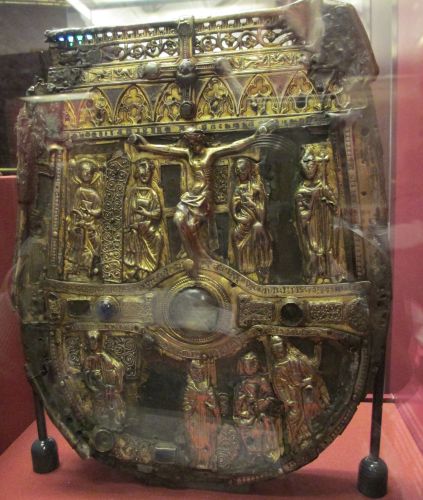
National Archaeology Museum, Dublin, Ireland: Shrine of the Miosach (late 11th century CE AD)
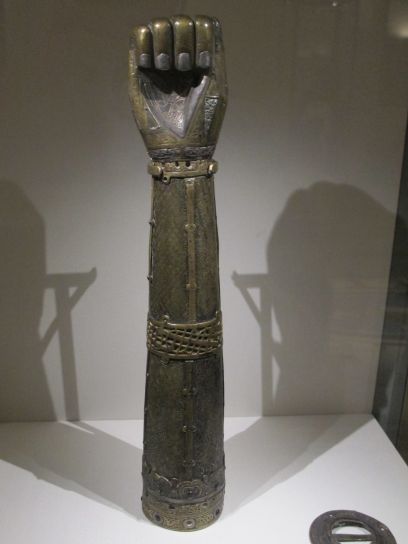
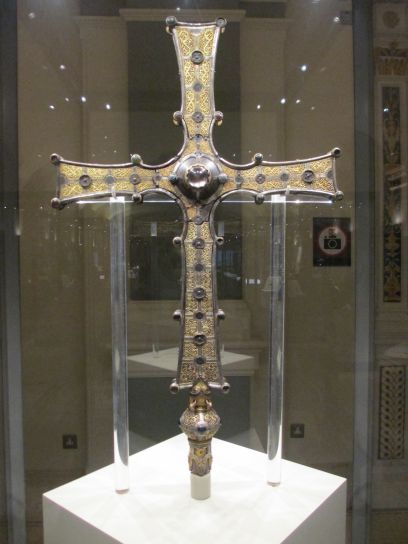
National Archaeology Museum, Dublin, Ireland: Left - Shrine of St Lachtin's arm (~1120 CE AD). Right - The Cross of Cong (early 12th century CE), National Museum of Archaeology, Dublin
National Museum of Ireland - Archaeology: A 19th century replica of the 12th century St Manchan's Shrine. The original shrine was made to house the bones of St Manchan was probably made by the same individual who made the Cross of Cong (further down the page). Its ornament is known as the Hiberno-Urnes style - a blending of a late Viking art style with native Celtic Irish art., National Museum of Archaeology, Dublin
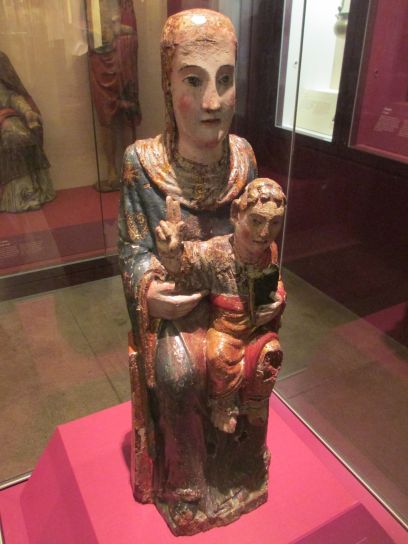
National Archaeology Museum, Dublin, Ireland: Virgin and Child (maybe Spanish ~1200 CE AD)
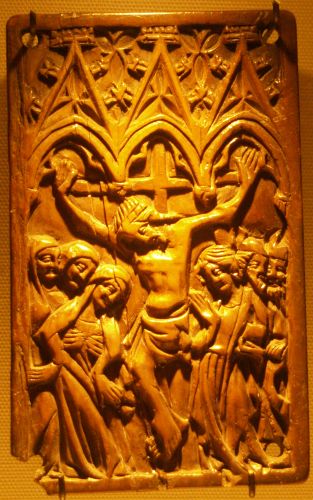
National Museum of Ireland - Archaeology: A plaque image of crucified Christ flanked by the Virgin and St John made of ivory from the workshops of Paris in the 14th century., National Museum of Archaeology, Dublin
National Archaeology Museum, Dublin, Ireland: Shrine of St Patrick's tooth (mid 14th century)
National Museum of Ireland - Archaeology: In the museum's 'treasury' The Cross of Cong (early 12th century)
National Museum of Ireland - Archaeology: Silver annular brooches. Left: 9th century AD from Killamery, Co. Kilkenny. Right: late 8th-early 9th century, found in Co. Cavan. In early medieval Ireland both sexes wore brooches to fasten their cloaks, National Museum of Archaeology, Dublin
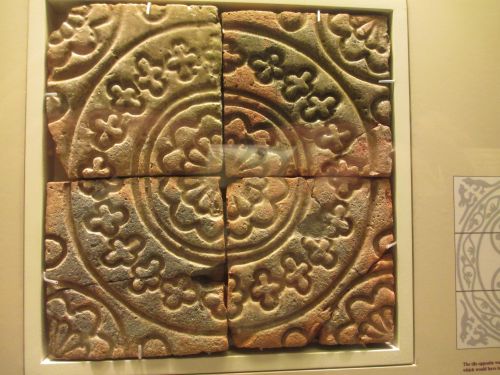
National Archaeology Museum, Dublin, Ireland: Four tile impressed pattern (14th-15th century, St Patrick's Cathedral, Dublin)
National Archaeology Museum, Dublin, Ireland: The Dhomhnach Airgid ('silver church'), \oldest part 8th century AD, substantially remodelled in the mid-14th century., National Museum of Archaeology, Dublin
National Archaeology Museum, Dublin, Ireland: Carved stone panel depicting (late 15th - early 16th century) Some extras!
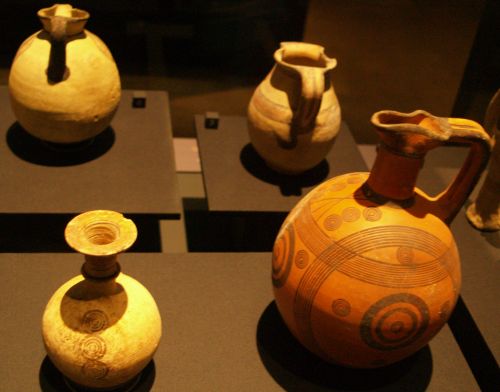
National Museum of Ireland - Archaeology: Pottery from ancient Cyprus. On the right is jug of black-on-red ware, Cypro-Archaic 750-600 BC., National Museum of Archaeology, Dublin
National Archaeology Museum, Dublin, Ireland: Marble head of Janus (Rome, 1st century AD)
National Archaeology Museum, Dublin, Ireland: Marble relief panel depicting Pluto (Hades) abducting Persephone into the underworld (Rome, Italy, 1st - 2nd century AD), National Museum of Archaeology, Dublin
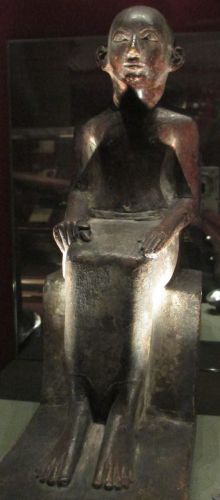
National Archaeology Museum, Dublin, Ireland: Left - Limestone door jam of ? Right - Egyptology - Limestone statue of Senemiah from ancient Egypt, National Museum of Archaeology, Dublin
A new exhibition for 2015 Battle of Clontarf 1014 Timeline and Brian Boru at the National Museum of Ireland - archaeology
National Archaeology Museum, Dublin, Ireland: a nice cafe too!
See also objects in the British Museum London How the age of prehistoric/historic objects are estimated using radiocarbon dating Some notes on the National Archaeology Museum, Kildare Street, Dublin The National Museum of Ireland – Archaeology on Kildare Street, Dublin holds the primary national collection of ancient Irish artefacts, numbering over two million objects and spanning 7000 BC to the end of the medieval period. It is the central repository for archaeological finds under Irish law and contains several collections of international importance. Core Identity of the MuseumThe museum houses the collections of the Irish Antiquities Division, whose remit covers:
These collections were originally formed by the Royal Dublin Society and the Royal Irish Academy in the 18th–19th centuries and have expanded dramatically through excavations and chance finds. Major Collection Areas1. Prehistoric IrelandCovers the Mesolithic, Neolithic, Bronze Age and Iron Age.
These collections are internationally recognised for their scale and quality. 2. Early Medieval Ireland (c. 400–1100 AD)A world‑class collection of ecclesiastical metalwork and personal ornament. Masterpieces include:
These objects illustrate monastic life, liturgy, literacy, and elite craftsmanship. 3. Viking IrelandThe museum holds the most important assemblage from Viking Dublin, excavated from Wood Quay and other sites. Includes:
The permanent exhibition Viking Ireland interprets Dublin as a major Viking town. 4. Medieval Ireland (1100–1600)Collections include:
5. Bog BodiesOne of the museum’s most famous displays. 6. Classical, Egyptian, Roman and European CollectionsAlthough small compared to the Irish material, these collections provide comparative context. Holdings include:
These were acquired mainly for scholarly comparison. Scale and Legal Role
Exhibitions at Kildare StreetPermanent exhibitions include:
Collections OnlineThe National Museum provides digital access to parts of its 4‑million‑object holdings through Collections Online, covering archaeology, ethnography, natural history, art and industry. Why the Kildare Street Museum MattersIt is:
Here is a combined period‑by‑period timeline AND a practical visitor’s guide to the National Museum of Ireland – Archaeology, Kildare Street, designed so you can walk through the museum in the same order as Ireland’s archaeological story unfolds. It’s structured to match your preference for clear timelines, layered context, and practical visitor flow. A Chronological Visitor’s Guide to the MuseumHow to use this guide:
1. Mesolithic & Neolithic Ireland (7000–2500 BC)Where: Entrance-level cases & Prehistoric Ireland galleriesWhat you’ll see
Why it mattersThis is the story of Ireland’s first settlers, the arrival of farming, and the rise of megalithic monuments. Star objects
Visitor tipSpend a moment with the Knowth macehead — it’s tiny, exquisite, and often overlooked. 2. Bronze Age Ireland (2500–600 BC)Where: Ór – Ireland’s Gold (ground floor)What you’ll see
Why it mattersIreland’s Bronze Age goldwork is internationally famous — the scale and craftsmanship are unmatched in Atlantic Europe. Star objects
Visitor tipThe Ór gallery is compact but dazzling — allow at least 20 minutes to take in the detail. 3. Iron Age Ireland (600 BC–AD 400)Where: Kingship & Sacrifice (bog bodies gallery) + Iron Age casesWhat you’ll see
Why it mattersThis period reveals Ireland’s warrior aristocracy, ritual kingship, and connections to the wider Celtic world. Star objects
Visitor tipThe bog bodies gallery is dimly lit for preservation — give your eyes a moment to adjust. 4. Early Medieval Ireland (AD 400–1100)Where: The Treasury (ground floor)What you’ll see
Why it mattersThis is the golden age of Irish craftsmanship — the era of saints, scholars, and ornate metalwork. Star objects
Visitor tipThe Ardagh Chalice is displayed in a central case — walk around it to appreciate the filigree and inscriptions. 5. Viking Ireland (AD 800–1100)Where: Viking Ireland gallery (ground floor)What you’ll see
Why it mattersDublin was one of the most important Viking towns in the western world — this gallery shows daily life in a bustling Norse‑Gaelic city. Star objects
Visitor tipLook for the model of Viking Dublin — it helps visualise the density of the settlement. 6. High & Late Medieval Ireland (1100–1600)Where: Medieval Ireland gallery (upper level)What you’ll see
Why it mattersThis period shows Ireland’s transformation under Norman influence, the growth of towns, and the blending of Gaelic and European cultures. Star objects
Visitor tipThis gallery is quieter than the Treasury — a good place to slow down and explore the details. 7. Comparative Collections (Egyptian, Roman, Classical)Where: Upper galleries and side roomsWhat you’ll see
Why it mattersThese collections were assembled for scholarly comparison, helping Irish antiquarians place Ireland in a wider ancient world. Star objects
Visitor tipThese rooms are often missed — they make a refreshing change of atmosphere after the intensity of the Irish material. Suggested 90‑Minute Route
This route follows the chronological story and hits all the major highlights.
Dublin
Scenes and Notes Index
Dublin Irish Capital docspics Ireland images pictures photos © Phil Brown * Holidays in Ireland, Holidays in Dublin, Luxury Hotels, Dublin City Centre Accommodation, Cheap Flights to Dublin, Dublin art galleries, Dublin museums, top tourist attractions in Dublin, tourism information for Dublin, guided bus tours of Dublin, guided walks of Dublin, pubs, bars, cafes and restaurants in Dublin, classical music venues in Dublin, traditional music concerts in Dublin docspics images photos of National Museum - Archaeology Dublin in Ireland © Dr Phil Brown Tourist information on National Museum - Archaeology Dublin, top tourist attractions near National Museum - Archaeology Dublin Things to do near National Museum - Archaeology Dublin, What to see near National Museum - Archaeology Dublin, Walks near National Museum - Archaeology Dublin, weekend breaks near National Museum - Archaeology Dublin family holidays near National Museum - Archaeology Dublin, Top tourist attractions near National Museum - Archaeology Dublin, luxury hotels near National Museum - Archaeology Dublin, self-catering holiday cottages flats near National Museum - Archaeology Dublin, B&B near National Museum - Archaeology Dublin, friendly pubs near National Museum - Archaeology Dublin, cafes near National Museum - Archaeology Dublin, eating out in fine restaurants near National Museum - Archaeology Dublin, bargain holiday breaks near National Museum - Archaeology Dublin, wining & dining weekends near National Museum - Archaeology Dublin, touring coach tours including National Museum - Archaeology Dublin, pretty villages near National Museum - Archaeology Dublin, historic towns near National Museum - Archaeology Dublin, visiting museums near National Museum - Archaeology Dublin, local art galleries near National Museum - Archaeology Dublin, guided walks from National Museum - Archaeology Dublin, history of National Museum - Archaeology Dublin, architecture of National Museum - Archaeology Dublin trains to National Museum - Archaeology Dublin buses to National Museum - Archaeology Dublin coach tours to National Museum - Archaeology Dublin historic houses near National Museum - Archaeology Dublin historic churches near National Museum - Archaeology Dublin historic buildings near National Museum - Archaeology Dublin good places to eat near National Museum - Archaeology Dublin tourist attractions near National Museum - Archaeology Dublin tourist information for National Museum - Archaeology Dublin docspics images photos of National Museum - Archaeology Dublin in Ireland © Dr Phil Brown Tourist information on National Museum - Archaeology Dublin, top tourist attractions in National Museum - Archaeology Dublin Things to do in National Museum - Archaeology Dublin, What to see in National Museum - Archaeology Dublin, Walks in National Museum - Archaeology Dublin, weekend breaks in National Museum - Archaeology Dublin family holidays in National Museum - Archaeology Dublin, Top tourist attractions in National Museum - Archaeology Dublin, luxury hotels in National Museum - Archaeology Dublin, self-catering holiday flats cottages in National Museum - Archaeology Dublin, B&B in National Museum - Archaeology Dublin, friendly pubs in National Museum - Archaeology Dublin, cafes in National Museum - Archaeology Dublin, eating out in fine restaurants in National Museum - Archaeology Dublin, bargain holiday breaks in National Museum - Archaeology Dublin, wining & dining weekends in National Museum - Archaeology Dublin, touring coach tours including National Museum - Archaeology Dublin, pretty villages in National Museum - Archaeology Dublin, historic towns in National Museum - Archaeology Dublin, visiting museums in National Museum - Archaeology Dublin, local art galleries in National Museum - Archaeology Dublin, guided walks in National Museum - Archaeology Dublin, history of National Museum - Archaeology Dublin, architecture of National Museum - Archaeology Dublin trains to National Museum - Archaeology Dublin buses to National Museum - Archaeology Dublin coach tours to National Museum - Archaeology Dublin historic houses in National Museum - Archaeology Dublin historic churches in National Museum - Archaeology Dublin historic buildings good places to eat in National Museum - Archaeology Dublin tourist attractions in National Museum - Archaeology Dublin tourist information for things to do and see in National Museum - Archaeology Dublin |


















 detail of above bracelet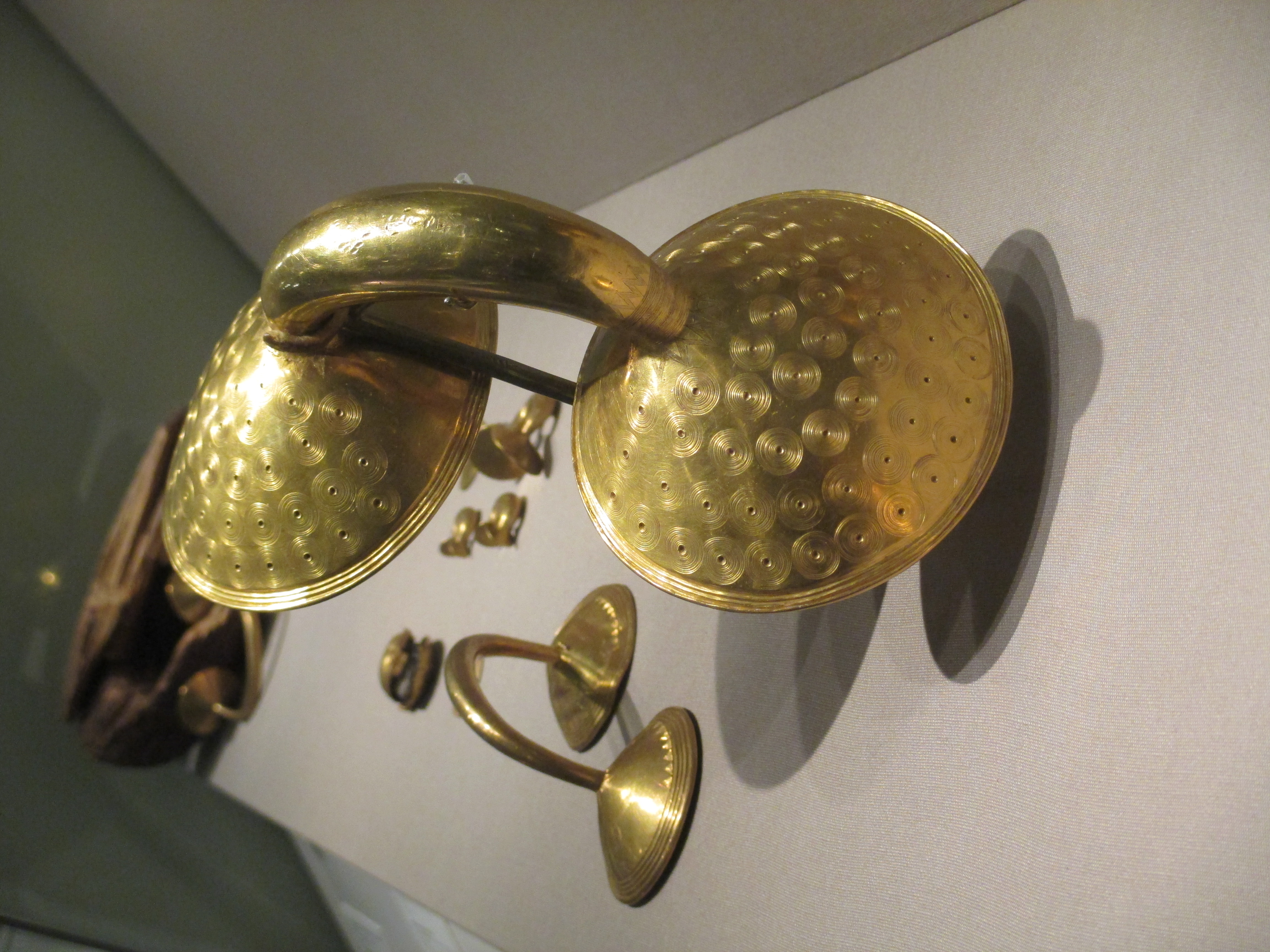
 detail of above

































 A few samples of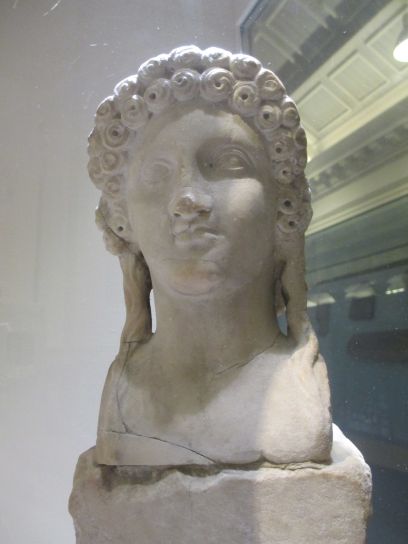





















 Enter place, museum, street, building, gallery, feature, anything of
interest in Dublin or the rest of Ireland!
Enter place, museum, street, building, gallery, feature, anything of
interest in Dublin or the rest of Ireland!