|
GCSE level Physics: Section 8 Static electricity: Part 8.5 Some uses of static electricity effects e.g. paint spraying, particle anti-pollution and photocopiers [Author © Dr WP Brown PhD: Doc Brown's physics exam revision notes suitable for students of UK IGCSE & GCSE level physics courses, ~ US grades 9-10 physics, updated Feb 18th 2026 *] [KEY POINTS and learning objectives for this page, after initial notes] [email doc b query? comment?] * [privacy-policies-disclaimer] * ]SEARCH doc b's website] INDEX of physics notes on static electricity, electrostatics & electric fields 8.5 Some uses of static electricity effects e.g. paint spraying, particle anti-pollution and photocopiers
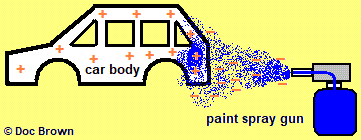
An electrostatic paint sprayer (spray gun) gives the tiny droplets of paint a negative static charge. The object to be painted/coated is given a positive static charge.
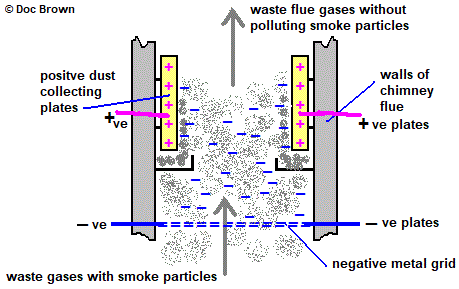
Removal of harmful particulates Static electricity in the form of charged plates across which a large negative potential difference (50,000 V) is applied can be used to minimise the dust and smoke particles in discharges from factory chimneys. These consist of fine solid particles - some potentially harmful The waste gases pass through a negatively charged metal mesh. This large static charge induces a negative charge on the smoke particles or dust. Further up the chimney the negative dust/smoke particle are attracted to the oppositely charged positive plates (again a very high, but positive voltage) and removed from the air before the smoke leaves the chimney. The statically attracted particles collect in the L shaped trays below the positive plates. Every so often the collection plates have to be shaken to remove the collected particles of dust and soot and the trays emptied. This process is called electrostatic precipitation and the apparatus is called the electrostatic precipitator (electrostatic smoke precipitator, to be precise).
Static electric field removing fine particles from smoke (c) Photocopiers and printers use static electricity to copy images onto a statically charged plate before printing them.
INDEX physics notes on static electricity - electrostatics & electric fields Key points about static electricity -
Here's a focused and exam-board-aligned summary of the uses of static electricity in the home and industry, tailored for GCSE/IGCSE Physics students across WJEC, CCEA, CIE, AQA, Edexcel, and OCR. Uses in Industry
Typical Exam Board Requirements
Student Tips for Exams
Keywords, phrases and learning objectives on static electricity
WHAT NEXT? INDEX for physics notes on STATIC ELECTRICITY ALL my electricity and magnetism notes email doc brown - comments - query? Basic Science Quizzes for UK KS3 science students aged ~12-14, ~US grades 6-8 Biology * Chemistry * Physics for UK GCSE level students aged ~14-16, ~US grades 9-10 Advanced Level Chemistry for pre-university age ~16-18 ~US grades 11-12, K12 Honors Find your GCSE/IGCSE science course for more help links to all science revision notes Based on the syllabus-specifications for students taking the IGCSE/GCSE level physics examinations summary revision notes and key points on use of static electricity - paint spraying, trapped pollution particles in smoke for students taking the AQA igcse/gcse physics notes on use of static electricity - paint spraying, trapped pollution particles in smoke, Edexcel gcse physics notes on use of static electricity - paint spraying, trapped pollution particles in smoke, OCR 21st century GCSE physics notes on use of static electricity - paint spraying, trapped pollution particles in smoke, OCR gateway GCSE physics notes on use of static electricity - paint spraying, trapped pollution particles in smoke, WJEC gcse physics notes on use of static electricity - paint spraying, trapped pollution particles in smoke, CCEA gcse physics notes on use of static electricity - paint spraying, trapped pollution particles in smoke for students taking CIE Cambridge igcse physics, or any other GCSE or IGCSE level physics exams notes on use of static electricity - paint spraying, trapped pollution particles in smoke, useful for US grade 9-10 physics courses, Explaining the importance of use of static electricity in printers and photocopiers in GCSE level physics, What you need to know about use of static electricity in printers and photocopiers for GCSE level physics, Explaining what is the use of use of static electricity in printers and photocopiers knowledge in GCSE level physics, Examples of use of static electricity in printers and photocopiers explained when studying GCSE level physics, What is the significance of use of static electricity in printers and photocopiers in GCSE level physics, Describing and explaining the theory of use of static electricity in printers and photocopiers when studying GCSE level physics, revision notes for use of static electricity in printers and photocopiers in exams, online exam help for use of static electricity in printers and photocopiers, revision notes for use of static electricity in printers and photocopiers, what do I need to learn about use of static electricity in printers and photocopiers for by GCSE physics exam? revision summary for use of static electricity in printers and photocopiers, help in teaching use of static electricity in printers and photocopiers, learning notes for use of static electricity in printers and photocopiers, help to understand the use of static electricity in printers and photocopiers topic in preparation GCSE physics exam question, how to prepare for questions involving use of static electricity in printers and photocopiers in a GCSE physics examination? SITEMAP Website content © Dr Phil Brown 2000+. All copyrights reserved on Doc Brown's physics revision notes, images, quizzes, worksheets etc. Copying of website material is NOT permitted. Exam revision summaries and references to GCSE science course specifications are unofficial. INDEX physics notes on static electricity - electrostatics & electric fields |
 (a)
(a)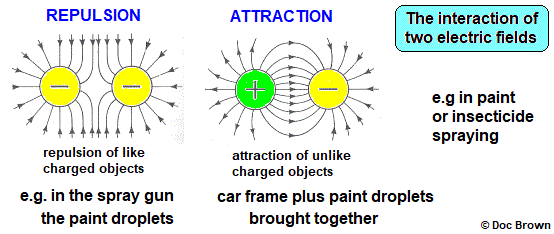
 (b)
(b) 
